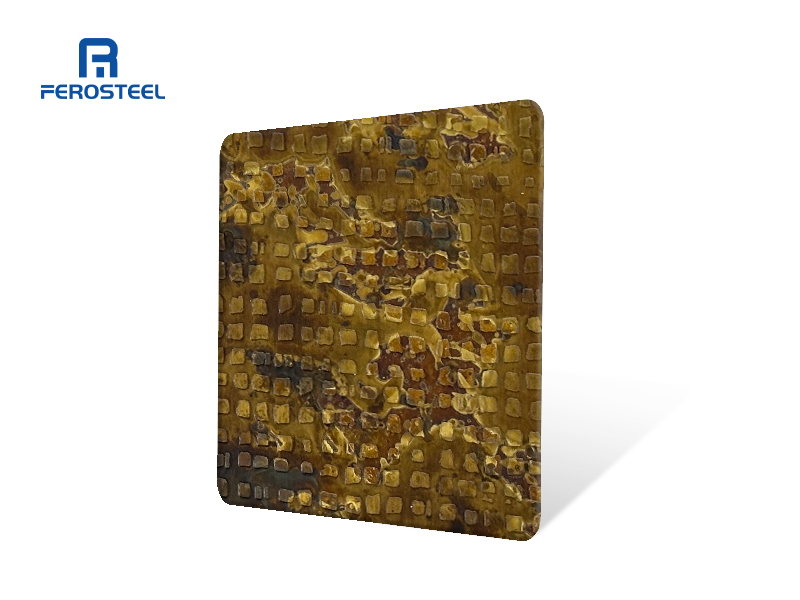
When specifying decorative stainless steel for architectural and interior projects, one of the most critical decisions you'll face is choosing between 304 vs 316 stainless steel. Both grades are austenitic, non-magnetic, and highly formable — making them ideal for decorative applications ranging from elevator interiors to wall cladding. However, the difference in their chemical composition, particularly the addition of molybdenum in 316, creates a significant gap in corrosion resistance and price.
For architects, interior designers, and contractors working on projects from hotel lobbies to marine-adjacent facades, selecting the wrong grade can lead to premature rusting, costly replacements, and damaged reputations. This guide provides a comprehensive stainless steel grade comparison to help you make an informed decision based on your project's environment, budget, and aesthetic requirements.
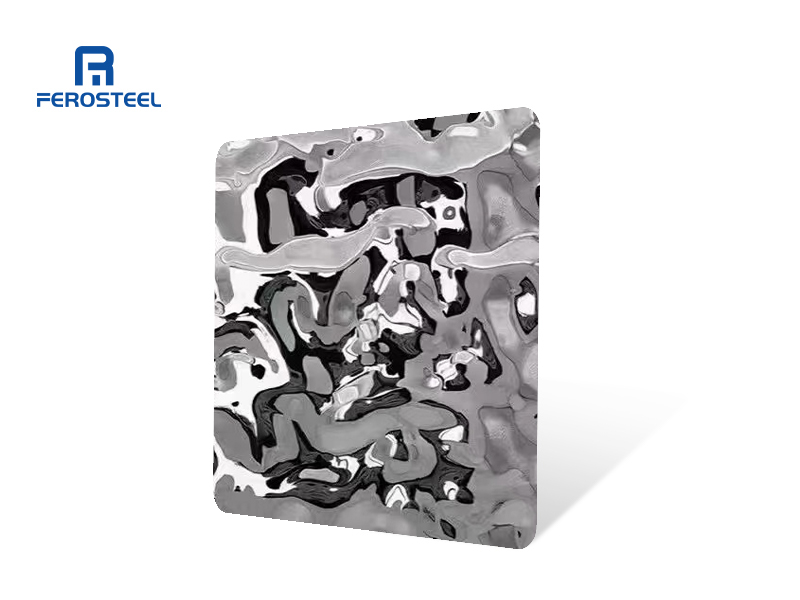
Whether you're sourcing water ripple stainless steel sheets for a feature wall or specifying PVD-coated panels for an elevator cab, understanding the 304 vs 316 distinction is essential for project longevity.
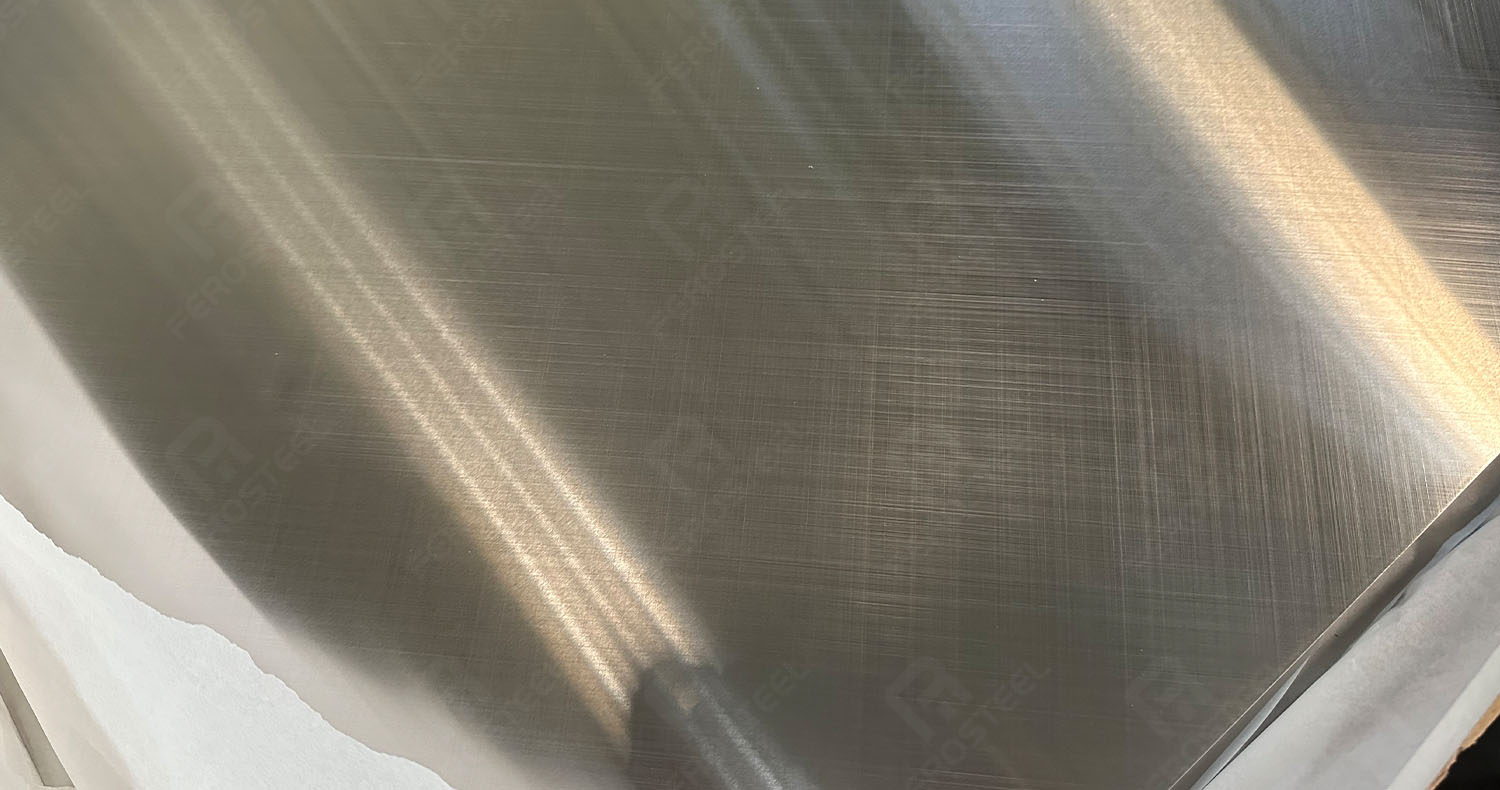
304 stainless steel (also known as 18/8 or A2) is the most widely used stainless steel grade in the world. It contains approximately 18% chromium and 8% nickel, which gives it excellent corrosion resistance, good formability, and strong mechanical properties. In decorative applications, 304 is the go-to grade for indoor environments — it readily accepts mirror polishing, hairline brushing, bead blasting, PVD coloring, and embossing.
316 stainless steel (also known as A4 or marine grade stainless steel) builds on the 304 formula by adding 2–3% molybdenum. This seemingly small addition dramatically enhances resistance to pitting and crevice corrosion, especially in chloride-rich environments such as coastal areas, swimming pools, and chemical processing facilities. For decorative projects near the ocean or in humid tropical climates, 316 is often the only acceptable choice.
In decorative stainless steel, the surface finish IS the product. A mirror-polished panel that develops rust spots within months defeats the entire purpose of the specification. The corrosion resistance gap between 304 and 316 directly determines how long your decorative finish will maintain its intended appearance — particularly for PVD-coated and colored finishes where substrate corrosion can cause coating delamination.
The table below highlights the key compositional differences between 304 and 316 stainless steel:
| Element | 304 Stainless Steel | 316 Stainless Steel | Impact on Performance |
|---|---|---|---|
| Chromium (Cr) | 18.0–20.0% | 16.0–18.0% | Provides base corrosion resistance |
| Nickel (Ni) | 8.0–10.5% | 10.0–14.0% | Stabilizes austenitic structure, improves ductility |
| Molybdenum (Mo) | 0% (trace) | 2.0–3.0% | Key differentiator — resists pitting/crevice corrosion |
| Carbon (C) | ≤0.08% | ≤0.08% | Lower carbon (L grades) reduces weld sensitization |
| Manganese (Mn) | ≤2.0% | ≤2.0% | Improves strength and work hardening |
| Silicon (Si) | ≤0.75% | ≤0.75% | Deoxidizer, minor strength contribution |
| Phosphorus (P) | ≤0.045% | ≤0.045% | Impurity — kept low |
| Sulfur (S) | ≤0.03% | ≤0.03% | Impurity — improves machinability in free-machining variants |
The molybdenum content in 316 is the single most important difference. It creates what metallurgists call the "PREN" (Pitting Resistance Equivalent Number) advantage — 316 typically scores a PREN of 24–28, while 304 sits at 18–20. Higher PREN means better resistance to localized corrosion in aggressive environments.
Both 304 and 316 perform excellently against general (uniform) corrosion in most indoor and mildly corrosive outdoor environments. In atmospheric exposure tests, both grades form a passive chromium oxide layer that self-heals when scratched — provided the environment doesn't overwhelm it.
This is where the 304 vs 316 stainless steel gap becomes dramatic. Pitting corrosion occurs when chloride ions break through the passive layer, creating small but deep pits that can perforate sheet metal. Common chloride sources include:
316's molybdenum content significantly delays pit initiation. In a standard salt spray test (ASTM B117), 304 typically shows first rust spots within 24–72 hours, while 316 can resist for 200+ hours under the same conditions.
Both grades are susceptible to chloride stress corrosion cracking at elevated temperatures (above 60°C/140°F). For decorative applications, this is rarely a concern unless panels are near heat sources or in tropical coastal regions with high surface temperatures.
For PVD-colored and mirror-polished finishes, even minor pitting is catastrophic — it creates visible dark spots that cannot be repaired without reprocessing the entire panel. This makes grade selection particularly critical for high-end decorative applications where visual perfection is the expectation.
| Property | 304 Stainless Steel | 316 Stainless Steel |
|---|---|---|
| Tensile Strength (MPa) | 520–750 | 520–680 |
| Yield Strength (MPa) | ≥205 | ≥205 |
| Elongation (%) | ≥40 | ≥40 |
| Hardness (HV) | 150–200 | 150–200 |
| Density (g/cm³) | 7.93 | 7.98 |
| Formability | Excellent | Excellent |
| Weldability | Excellent (use 308L filler) | Excellent (use 316L filler) |
| Machinability | Good | Slightly lower than 304 |
Both grades share near-identical mechanical properties, which means your decorative stainless steel supplier can apply the same range of finishes — embossing, etching, PVD coating, mirror polishing — to either grade without specialized tooling. The key fabrication differences are:
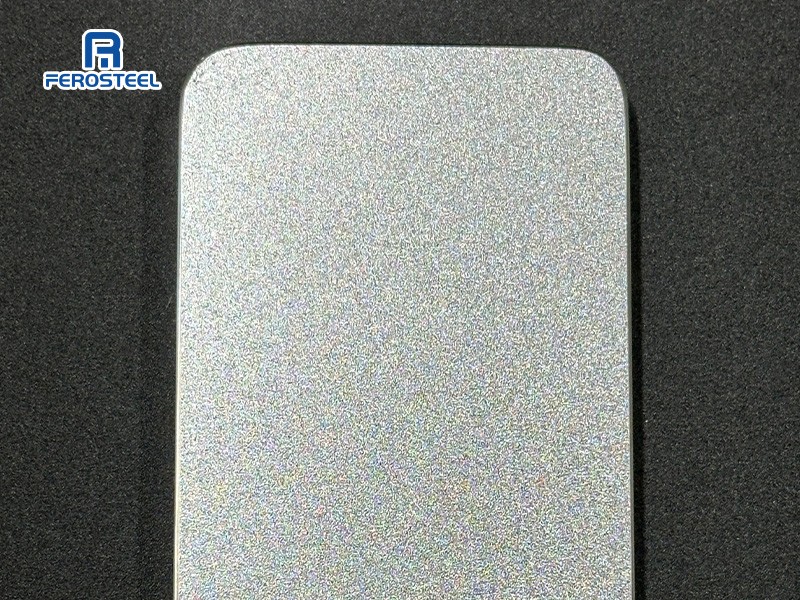
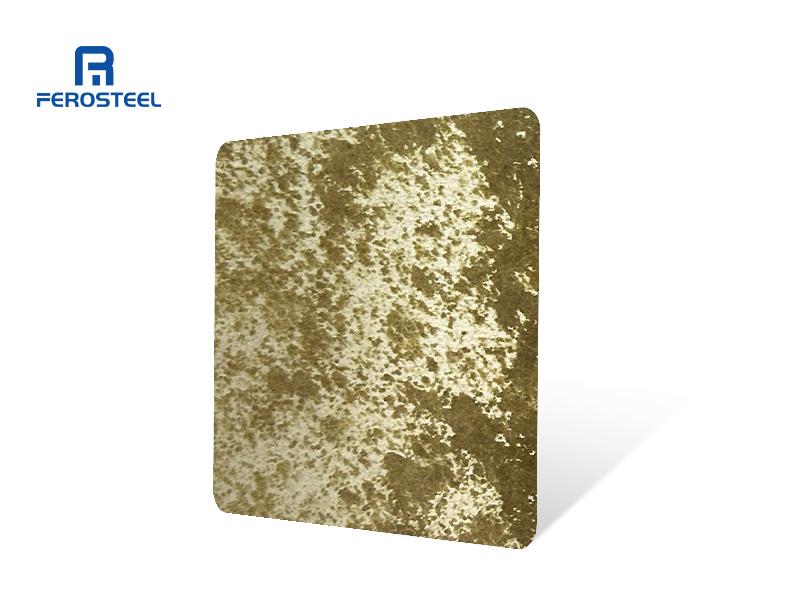
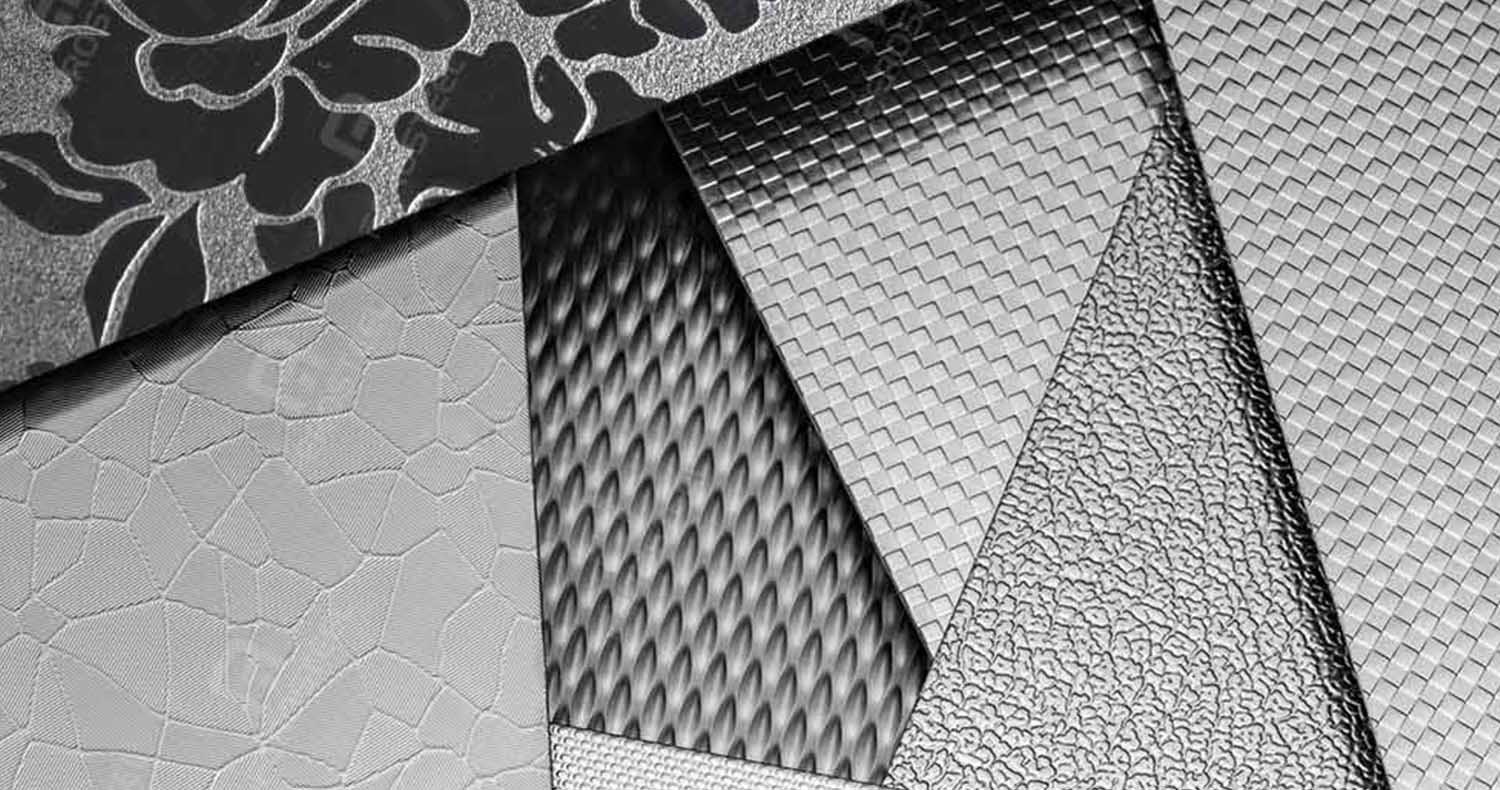
One of the most common misconceptions is that 316 has limited finish options compared to 304. In reality, both grades accept the full spectrum of decorative stainless steel finishes:
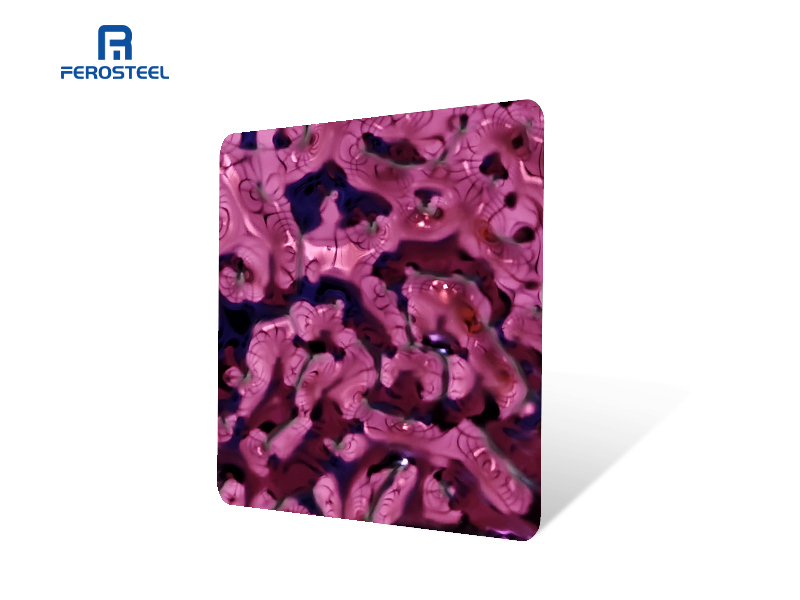
PVD (Physical Vapor Deposition) coating works equally well on both grades. Popular colors include:
The choice of grade does not affect PVD color vibrancy or adhesion — but it does affect how long the underlying metal resists corrosion if the coating is scratched.
| Project Environment | Recommended Grade | Rationale |
|---|---|---|
| Indoor, climate-controlled | 304 | No chloride exposure; 304 is cost-effective |
| Indoor, high humidity (tropics) | 304 or 316 | 316 recommended if condensation is persistent |
| Outdoor, inland urban | 304 | Acceptable if not exposed to de-icing salts |
| Outdoor, inland with de-icing salts | 316 | Chloride exposure from road salt |
| Outdoor, coastal (0–5 km) | 316 | Salt spray requires maximum corrosion resistance |
| Outdoor, coastal (5–10 km) | 316 (recommended) | Moderate salt exposure; 304 may suffice with maintenance |
| Swimming pool / spa | 316 | Chlorinated atmosphere is highly corrosive |
| Industrial / chemical | 316 | Depends on specific chemicals — consult specialist |
316 stainless steel typically costs 20–40% more than 304, depending on market conditions and nickel/molybdenum commodity prices. For decorative sheet products, the premium can be higher due to lower production volumes of 316 in decorative finishes.
When evaluating cost, consider the full lifecycle:
For projects with mixed environments, consider a hybrid approach:
Grade mix-ups are a common quality issue in the stainless steel supply chain. Here are practical verification methods:
Request a mill test certificate (EN 10204 Type 3.1) for every batch. This document lists the actual chemical composition and mechanical properties verified by the producing mill.
A simple field test uses a chemical reagent that changes color in the presence of molybdenum. Kits are inexpensive and provide instant visual confirmation:
Handheld XRF analyzers provide non-destructive, highly accurate composition analysis in seconds. Many inspection companies offer this service on-site.
For destructive verification, a spectrometer analysis on a sample cross-section provides the most definitive result. This is typically only necessary for high-stakes projects.
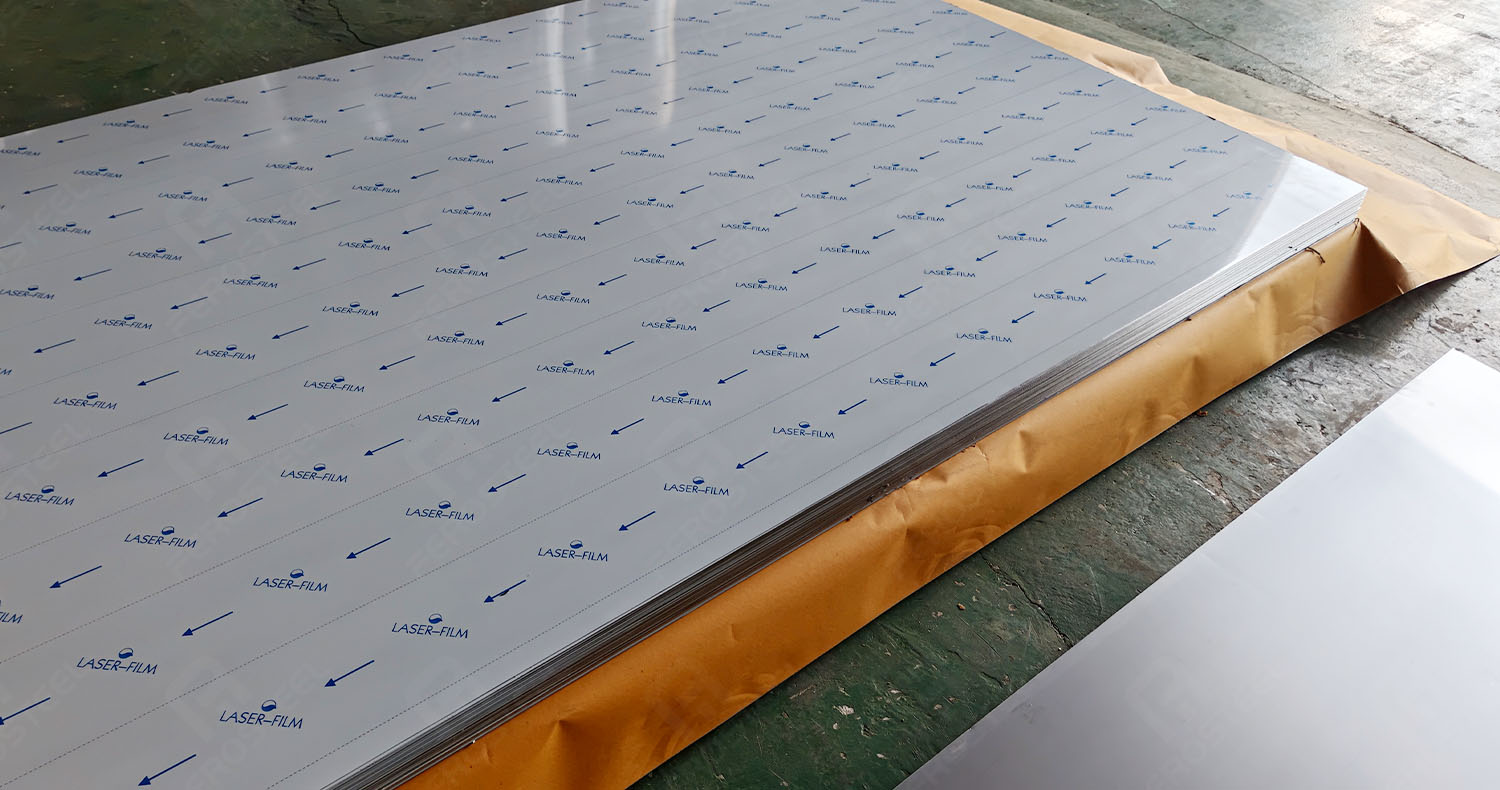
Before accepting a decorative stainless steel shipment:
Yes, but only in non-coastal, non-industrial environments with low chloride exposure. In inland urban settings, 304 can perform well outdoors with quarterly cleaning and annual passivation. However, in coastal areas or near swimming pools, even rigorous maintenance cannot prevent pitting in 304 — 316 is strongly recommended.
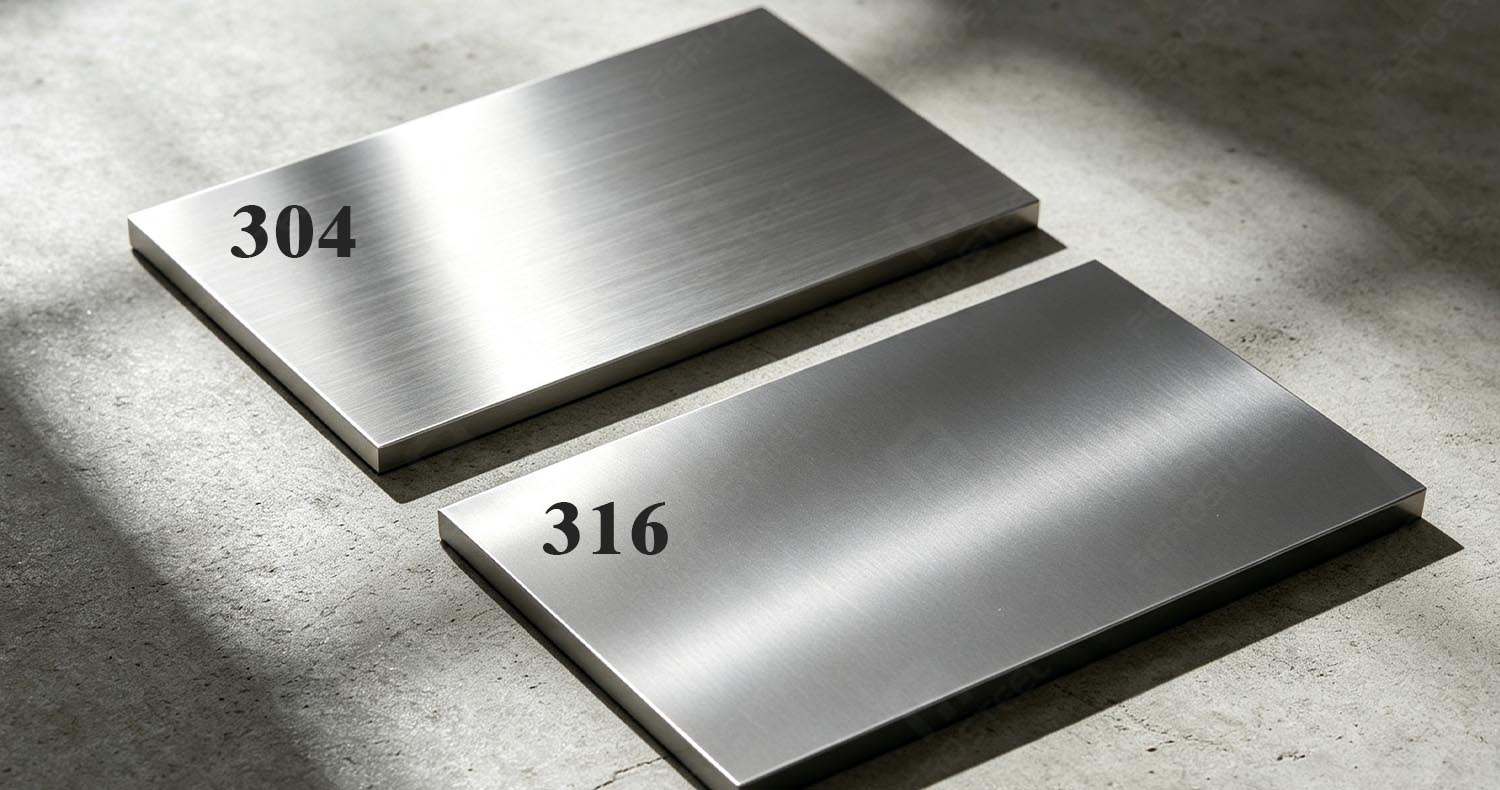
No. Visually, 304 and 316 are indistinguishable. Both grades accept identical surface finishes (mirror, hairline, bead blast, embossed) and PVD color coatings. The difference is purely in corrosion performance. You cannot tell them apart by appearance alone — chemical testing is required.
316L is the low-carbon variant (≤0.03% carbon) of 316. For decorative sheet applications, 316L is actually preferred because the lower carbon content reduces the risk of sensitization (carbide precipitation) during welding, which preserves corrosion resistance in the heat-affected zone. Most decorative 316 sheet is supplied as 316L.
Typically 20–40% more for raw material, and the premium can be slightly higher for decorative-finished sheets due to lower production volumes. However, when factoring in lifecycle costs for corrosive environments, 316 is often more economical because it avoids premature replacement.
No. PVD coatings are extremely thin (0.3–2 microns) and primarily provide color, not corrosion protection. While PVD does add a marginal barrier, any scratch or edge exposes the substrate. In chloride-rich environments, 304 beneath a PVD coating will still pit and can cause coating delamination. Always match the substrate grade to the environment.
For the elevator cab interior (climate-controlled, no direct salt spray), 304 is usually sufficient. However, for elevator entrance frames, hall call panels, and any elements near building entrances or loading docks where salt-laden air can penetrate, 316 is recommended. When in doubt, consult your stainless steel supplier for project-specific guidance.
Contact us for free samples and quotation. Ferosteel specializes in decorative stainless steel sheets in both 304 and 316 grades, with full PVD color customization, textured finishes, and architectural-grade quality. Email us today to discuss your project requirements.
 Office address: 26 Floor, Shibo Financial Center, Fenjiang South Road No.38, Chancheng, Foshan, GuangDong, China
  Phone
: +86 -18024913898
Phone
: +86 -18024913898 Email
: [email protected]
Email
: [email protected]


 IPv6 network supported
 leave a message