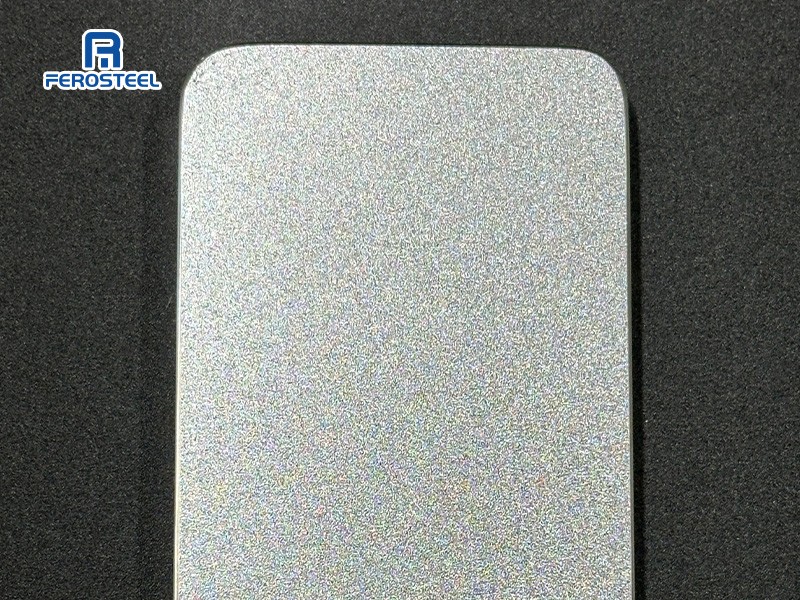
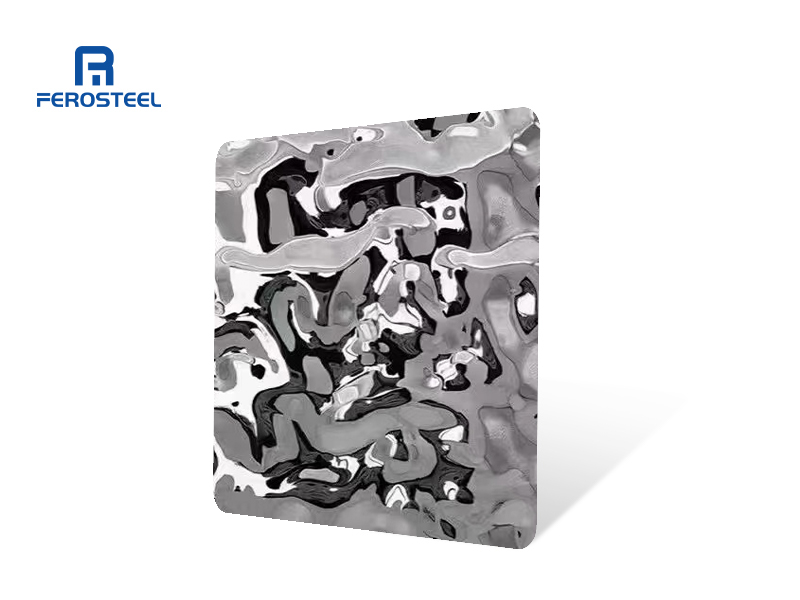
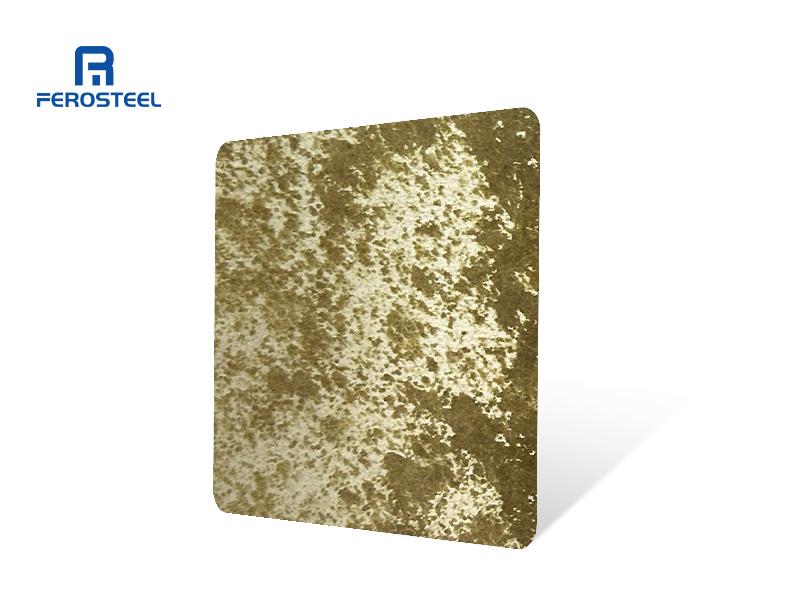
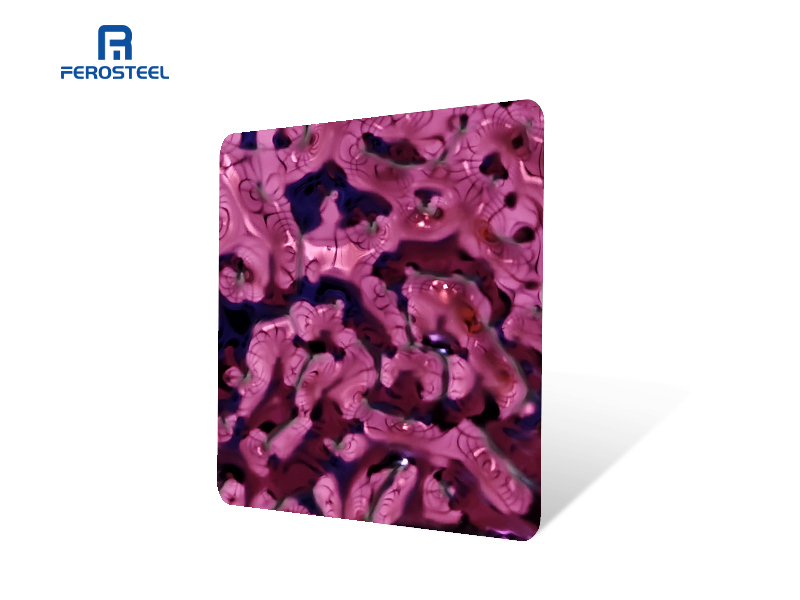
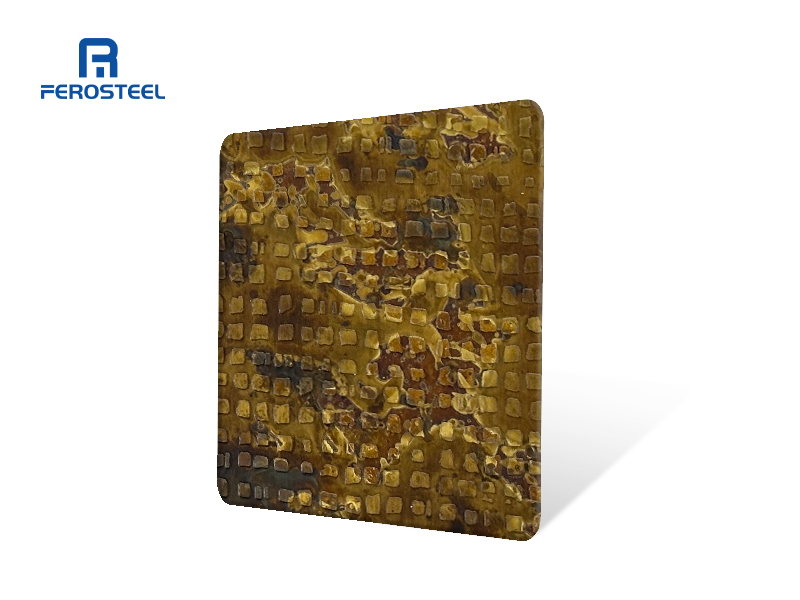
In luxury architecture and interior design, the warmth of aged metal has never gone out of style. Yet genuine copper and bronze come with high material costs, oxidation headaches, and inconsistent patinas. Antique copper stainless steel and antique bronze stainless steel solve these problems by combining the visual depth of vintage metals with the structural reliability of 304 or 316L-grade stainless steel. For architects, interior designers, and contractors working on hotels, retail spaces, elevators, and high-end residences, these PVD-coated finishes offer a controlled, durable, and cost-effective alternative to solid copper or bronze.
This guide explains what antique copper and bronze stainless steel sheets are, how they are manufactured, where they perform best, and how to specify them for your next project.
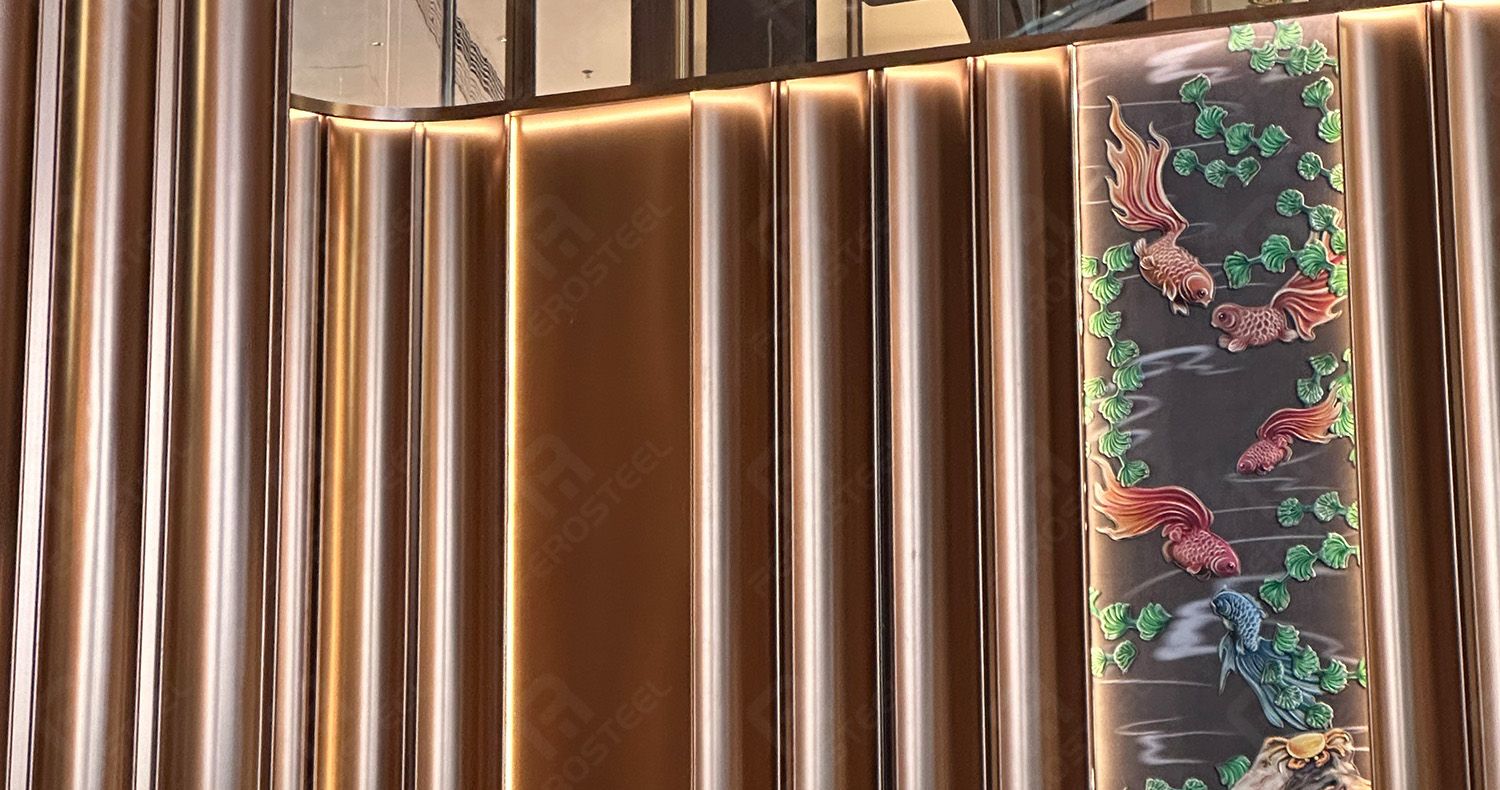
Antique copper and bronze stainless steel sheets are base-metal panels made from 304 or 316L stainless steel, which are then surface-finished to mimic the appearance of naturally aged copper or bronze. The coloring process is typically performed using Physical Vapor Deposition (PVD) coating, a vacuum-deposition technology that bonds a thin metallic or ceramic film to the stainless steel surface.
Unlike paint or electroplating, PVD coating penetrates the surface at a molecular level. The result is a finish that resists fingerprints, scratching, corrosion, and UV fading while retaining the tonal richness of vintage copper or oxidized bronze. Because the substrate remains stainless steel, fabricators can bend, cut, weld, and install the sheets using standard metalworking techniques.
Designers often choose these sheets when they want:
Ferosteel supplies several antique finishes, including Antique Copper Decorative Stainless Steel Sheets and Antique Bronze Hairline Stainless Steel Sheets, both available in multiple textures and gauges.
PVD coating is the key technology behind modern antique metal finishes. The process takes place in a vacuum chamber where a solid target material (such as titanium, zirconium, or a copper alloy) is vaporized by an electric arc or sputtering source. The vaporized atoms travel through the vacuum and condense onto the stainless steel surface, forming a dense, adherent layer only a few microns thick.
| Factor | PVD Coating | Traditional Electroplating | Spray Paint / Powder Coat |
|---|---|---|---|
| Bond strength | Molecular adhesion to substrate | Mechanical/electrochemical bond | Surface-level film |
| Color consistency | High batch-to-batch consistency | Moderate; can vary with bath chemistry | Prone to overspray and edge thinning |
| Corrosion resistance | Excellent, especially on 316L | Good but can fail at pinholes | Depends on topcoat quality |
| Scratch resistance | Very high surface hardness | Softer; can wear through | Low to moderate |
| Environmental impact | Low VOC, no hazardous effluent | Chemical baths require treatment | VOCs and overspray waste |
| Available tones | Copper, bronze, black, gold, rose gold, blue | Limited by bath chemistry | Wide but less metallic depth |
By adjusting the target alloy, chamber gas mixture (usually nitrogen, oxygen, or acetylene), and deposition time, manufacturers can produce a spectrum of tones ranging from bright reddish antique copper stainless steel to deep brown antique bronze stainless steel. An additional etching, hairline brushing, or embossing step can then create the distressed, timeworn appearance that architects associate with heritage interiors.
Texture has a major influence on how light interacts with antique metal. A mirror finish will reflect like polished bronze, while a hairline or etched finish scatters light and emphasizes the vintage character. Common options include:
Hairline antique bronze stainless steel features fine, parallel brush lines that give the surface a satin-metal appearance. It is discreet, elegant, and widely used in elevator interiors, hotel lobbies, and reception desk fronts.
Etched antique copper or bronze sheets use acid- or laser-etched patterns to create depth. The recessed areas catch light differently from raised surfaces, producing a three-dimensional, hand-forged effect. These are popular for feature walls, column wraps, and furniture accents.
For designers seeking stronger visual impact, embossed or hammered textures add physical relief. These patterns are particularly effective in hospitality and retail spaces where the material is viewed up close.
Ferosteel's Vintage Copper Stainless Steel for Wall and Ceiling Decoration is an example of how texture and antique tone work together to create a statement surface.
Although the two finishes are often grouped together, they deliver different visual moods and are suited to different palettes.
| Property | Antique Copper Stainless Steel | Antique Bronze Stainless Steel |
|---|---|---|
| Dominant hue | Warm reddish-orange with brown undertones | Deep brown with golden or grey undertones |
| Visual mood | Industrial heritage, Art Deco, reclaimed luxury | Classical, understated, contemporary elegance |
| Best paired with | Dark woods, black steel, exposed brick, leather | Warm greys, cream stone, brushed brass, glass |
| Typical finishes | Mirror, hairline, etched, embossed | Hairline, satin, etched, vibration |
| Common applications | Bars, restaurants, feature walls, ceilings | Elevators, office lobbies, furniture, fixtures |
Both finishes can be produced on 304 grade for interior use or 316L grade for environments with higher humidity, coastal exposure, or frequent cleaning cycles. If your project requires a custom etched pattern, products such as FRT-5020 Etched Antique Bronze Stainless Steel provide a ready reference for specification.
The combination of vintage aesthetics and modern durability makes antique copper and bronze stainless steel suitable for a wide range of commercial and residential applications.
Hotels, restaurants, and bars use these finishes to create atmosphere without the maintenance burden of real copper. Wall cladding, bar fronts, ceiling panels, and column wraps benefit from the material's warm tone and resistance to fingerprints and spills.
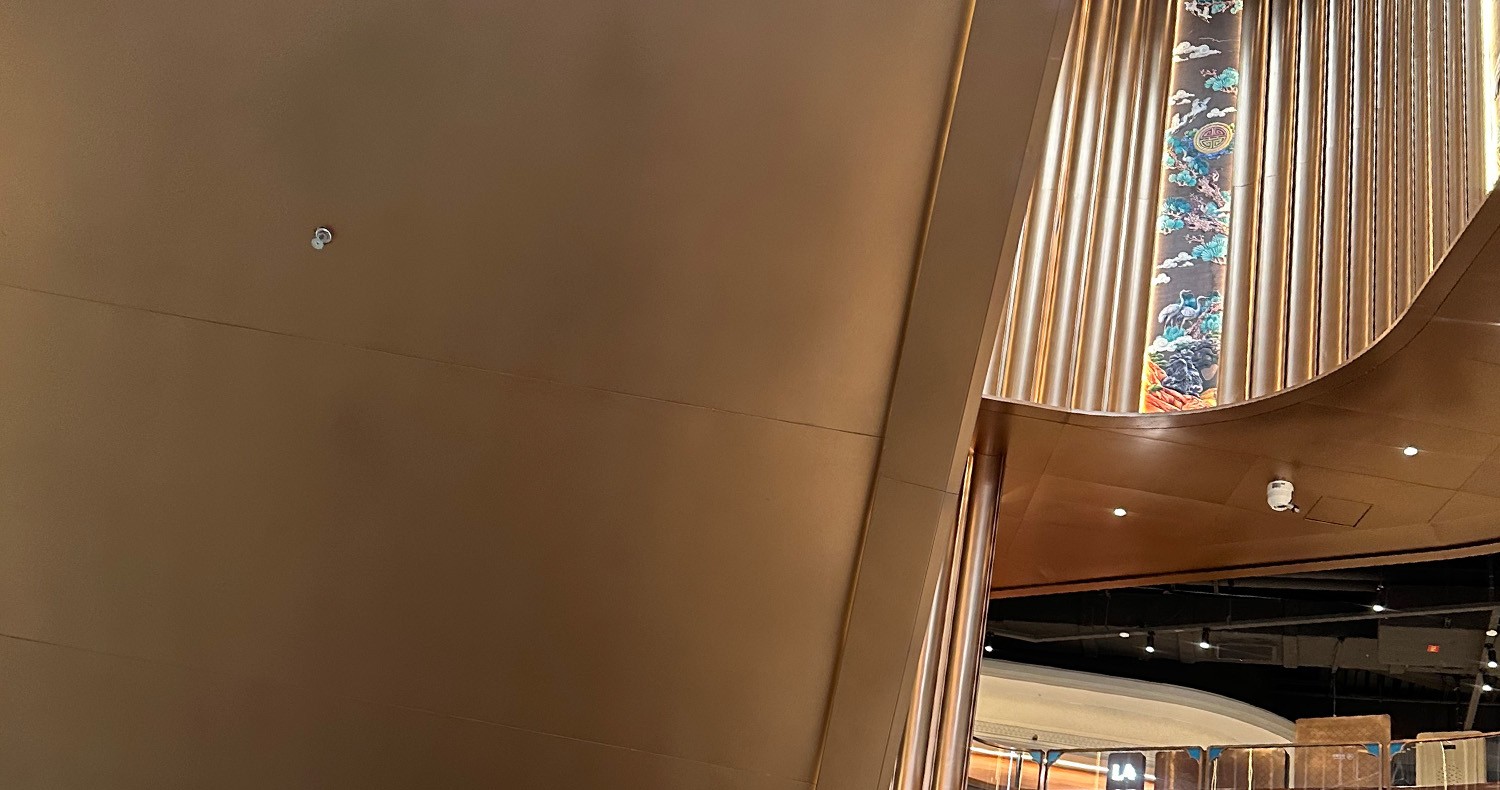
Elevator interiors demand materials that resist abrasion, cleaning chemicals, and repeated contact. Antique bronze hairline stainless steel meets these requirements while giving lobbies and cabs a premium, consistent look.
Retail designers use antique metal finishes for storefronts, display fixtures, signage backdrops, and fitting rooms. The material photographs well and reinforces brand positioning in the luxury segment.
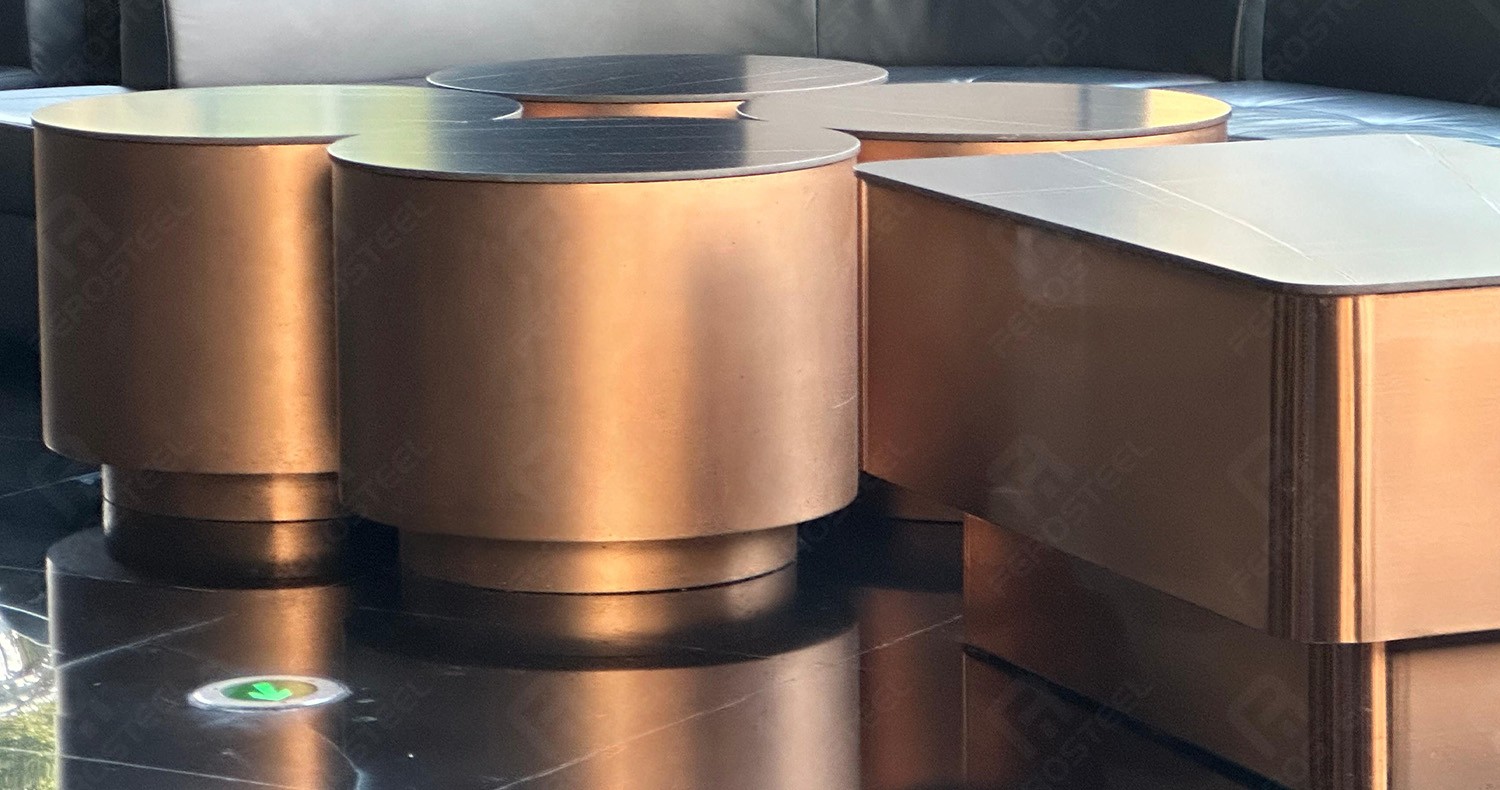
In high-end residences, antique copper stainless steel appears in kitchen backsplashes, range hoods, wine cellars, fireplace surrounds, and entry doors. Homeowners get the visual drama of copper without the patina unpredictability.
When specifying antique copper or bronze stainless steel, communicate the following parameters clearly to your supplier:
Requesting a production sample before full batch manufacturing is strongly recommended, especially for large installations where color consistency across multiple sheets is critical.
One of the main reasons designers switch from solid copper to antique copper stainless steel is maintenance. Solid copper develops a natural patina that changes over time and can appear uneven across large surfaces. PVD-coated stainless steel retains its original appearance for years with minimal care.
Under normal interior conditions, a properly applied PVD finish on 304 or 316L stainless steel will last well beyond a decade without significant color shift or corrosion.
Antique copper and bronze stainless steel also support sustainable design goals. Because the visual effect is achieved with a micron-thin PVD layer on a stainless steel substrate, material use is far lower than solid copper or bronze cladding. Stainless steel is 100% recyclable, and PVD processes generate minimal hazardous waste compared with traditional plating.
For projects pursuing LEED, BREEAM, or WELL certification, specifying PVD-coated stainless steel can contribute to material efficiency credits and reduced embodied carbon compared with solid non-ferrous metals.
Antique copper stainless steel is a stainless steel sheet (usually 304 or 316L) that has been PVD-coated and surface-finished to resemble naturally aged copper. It offers the look of copper with better durability, lower cost, and no unwanted patina.
Yes, in most architectural applications PVD coating is superior because it creates a harder, more uniform, and more corrosion-resistant surface. It is also more environmentally friendly and produces consistent color batches across large orders.
It can be used in sheltered exterior applications when produced on 316L grade, but prolonged direct exposure to salt, UV, and pollution will eventually affect any coated surface. For harsh exterior environments, consult your supplier about warranty and recommended grades.
Antique copper has warmer reddish-orange undertones and is often associated with industrial or reclaimed aesthetics. Antique bronze is deeper brown with golden or grey undertones and tends to feel more classical and refined.
Yes. Because the substrate is stainless steel, they can be cut, bent, welded, and edge-finished using standard equipment. The PVD coating should be protected during fabrication, and any exposed edges should be passivated if used in corrosive environments.
No special maintenance is required. Clean with a soft cloth and mild detergent, avoid abrasives, and dry after cleaning. The surface will retain its finish far longer than solid copper or bronze.
Ready to specify antique copper or bronze stainless steel for your next project? Contact Ferosteel for free samples, technical datasheets, and a tailored quotation. Our team supports architects, interior designers, and contractors worldwide with custom sizes, grades, and finishes.
 Office address: 26 Floor, Shibo Financial Center, Fenjiang South Road No.38, Chancheng, Foshan, GuangDong, China
  Phone
: +86 -18024913898
Phone
: +86 -18024913898 Email
: [email protected]
Email
: [email protected]


 IPv6 network supported
 leave a message