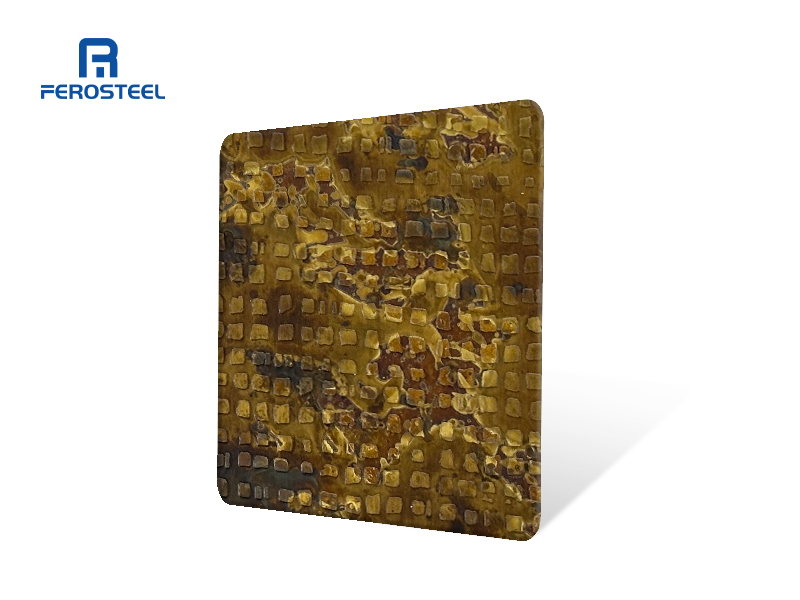
Architectural stainless steel has become a defining material in modern commercial construction. According to 2025 market research, the global stainless steel decorative panels market was valued at USD 16.48 billion, with architectural and commercial facades accounting for 37.9% of total demand — the largest single application segment. The metal facade cladding market shows stainless steel holding a 14.20% material share, driven by its unmatched combination of corrosion resistance, fire safety, and aesthetic longevity.
Yet despite this growth, many B2B buyers — from building material importers to construction contractors — still encounter project failures rooted in preventable sourcing mistakes. The core problems are well-documented: selecting the wrong stainless steel grade for the service environment leads to pitting corrosion within 3–5 years, particularly in coastal or industrial zones. Inconsistent PVD coloring across batches creates visible mismatches when panels are installed side by side on a large facade. And sourcing from suppliers who lack integrated deep-processing capabilities means additional fabrication costs, longer lead times, and quality gaps that emerge only after installation.
For procurement teams managing commercial building projects, the stakes are high. A single facade cladding error can mean demolition and reinstallation costs exceeding the original material budget by 200–300%. The key question is no longer whether to specify architectural stainless steel — it is how to source the correct grade, finish, and supplier partnership to ensure a 20+ year service life without unplanned maintenance.
Related: Ferosteel Decorative Stainless Steel Sheet Products
The material grade is the single most important specification for any architectural cladding project. The three grades most commonly used in architectural applications differ significantly in corrosion resistance, strength, and cost:
| Grade | Composition | Best Application Environment |
|---|---|---|
| 304 | 18Cr-8Ni | Standard commercial buildings, urban environments, interior wall cladding |
| 316L | 16Cr-10Ni-2Mo | Coastal areas, marine environments, high-pollution industrial zones |
| 201 | 16Cr-3.5Ni-5.5Mn | Budget-sensitive interior applications with controlled humidity |
For exterior applications, 304 is the minimum acceptable grade. In coastal or high-salt environments, 316L is strongly recommended — its molybdenum content provides superior resistance to chloride-induced pitting corrosion, which is the primary failure mode for stainless steel facades in marine climates.
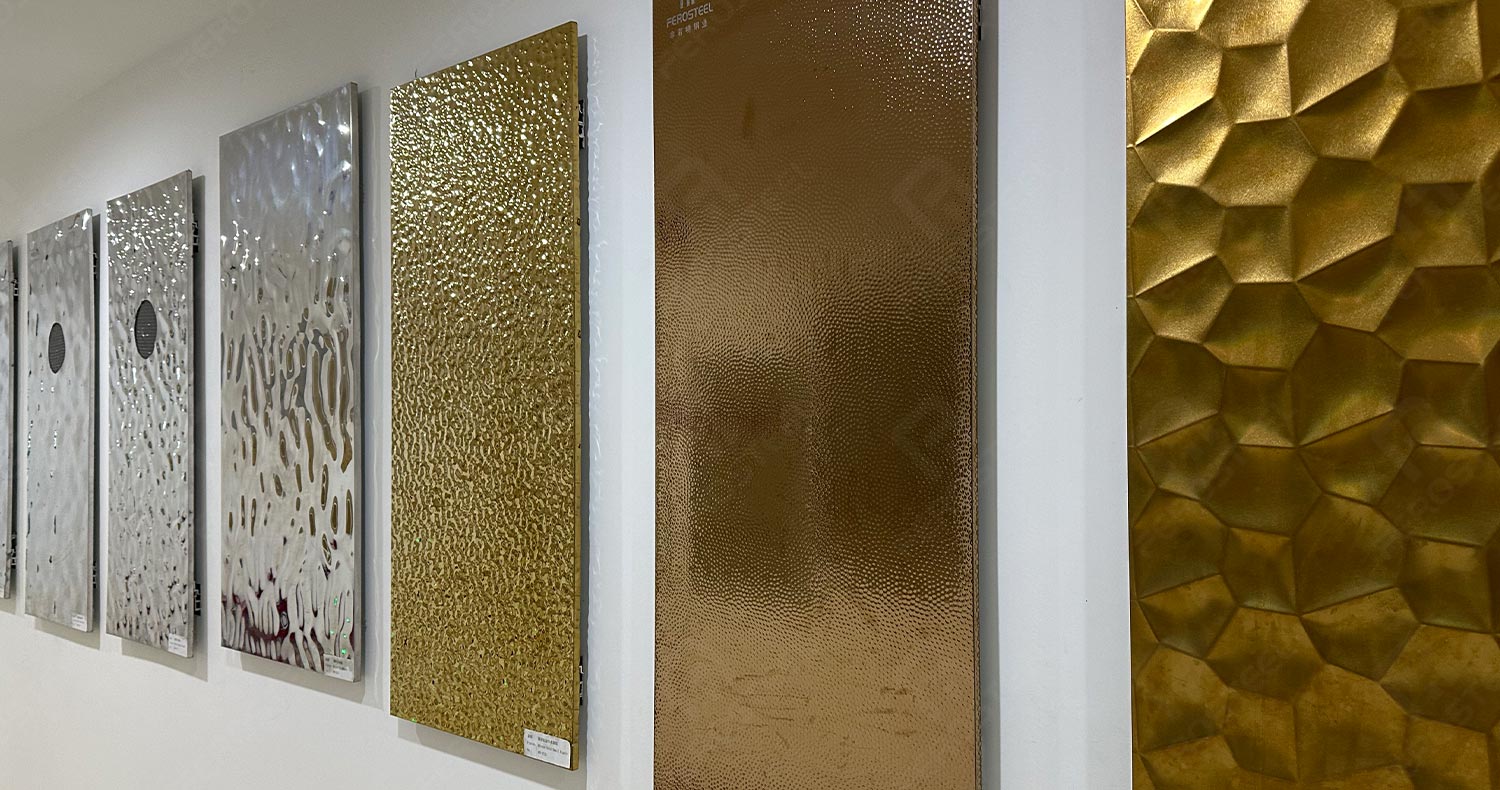
Ferosteel's standard specification sheet defines the following parameters for cladding sheets:
For exterior wall cladding applications, 1.0mm–1.5mm thickness is typically specified to ensure sufficient rigidity against wind loads and thermal expansion. Thinner sheets (0.4mm–0.8mm) are suitable for interior decorative cladding where structural demands are lower.
The surface finish determines both the visual character and long-term maintenance requirements of architectural panels. Ferosteel offers the following finish types through its integrated processing facility:
8K Mirror Finish (SuperMirror): The highest reflectivity rating in the industry, achieving a distortion-free mirror effect. Ideal for feature walls, column cladding, and ceiling applications in luxury hotels and premium commercial lobbies.
Hairline / Brushed Finish: A consistent linear texture that masks fingerprints and minor surface scratches. The preferred choice for high-traffic commercial environments where maintenance frequency is a concern.
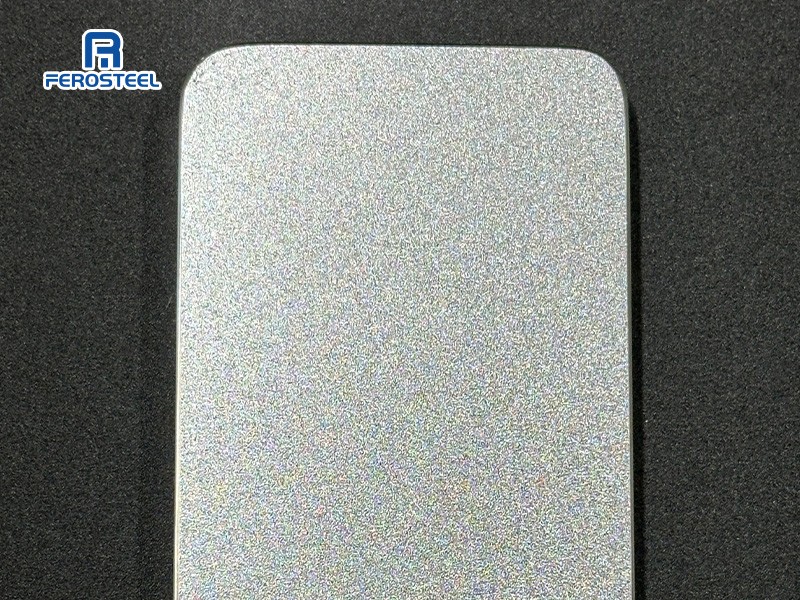
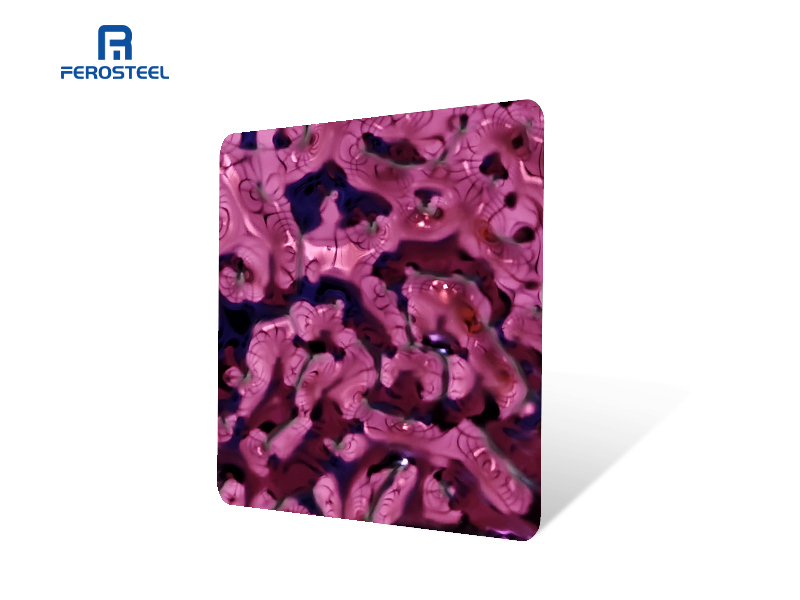
PVD Colored Finishes: Vacuum-deposited titanium-based coatings that produce durable colors including champagne gold, rose gold, black titanium, bronze, and sapphire blue. Unlike electroplating, PVD coatings bond at the molecular level and typically maintain color integrity for 10+ years without fading — a performance guarantee that Ferosteel provides in writing.
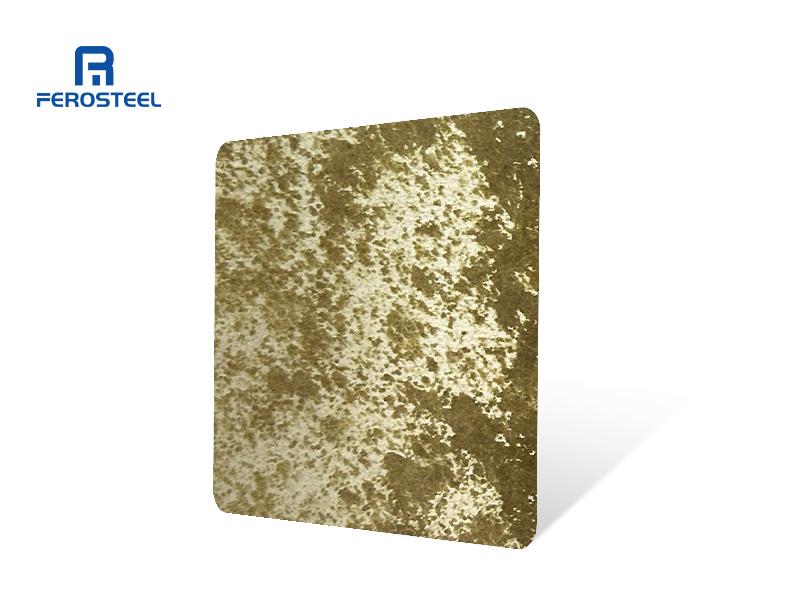
Embossed and Etched Patterns: Three-dimensional textures created through mechanical stamping or chemical etching. These finishes add tactile and visual depth to decorative panels, making them particularly effective for architectural feature walls and branded environments.
Related: PVD Colored Stainless Steel Sheet Guide
Ferosteel, founded in 2017 in Foshan — China's stainless steel industry capital — has spent nearly a decade building a vertically integrated production system specifically designed for architectural cladding projects. The company serves over 700 global clients across the building decoration, elevator manufacturing, hospitality, and commercial construction sectors.
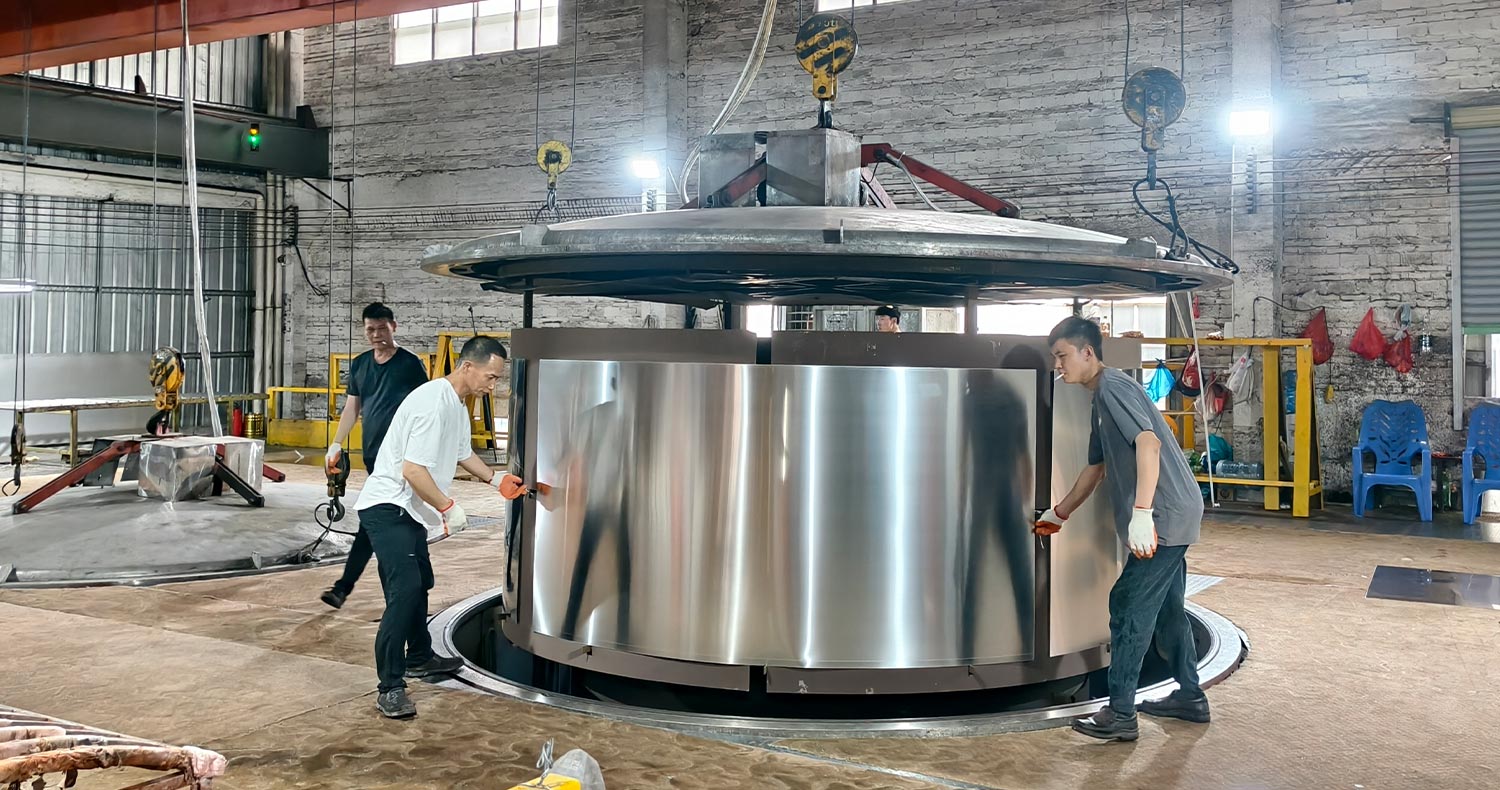
What distinguishes Ferosteel from typical stainless steel trading companies is its complete in-house processing chain. The facility encompasses:
This integrated capability means that architectural clients can source finished decorative panels — cut to exact project dimensions, with specified surface finishes and edge treatments — from a single supplier rather than coordinating across multiple fabricators. The result is tighter quality control, shorter lead times, and consistent color matching across all project batches.
Ferosteel operates a three-stage quality control protocol for every stainless steel cladding order:
Packaging follows export-grade standards: PVC film protection, waterproof paper wrapping, and export wooden crates — ensuring that finished panels arrive at project sites without transit damage.
Related: About Ferosteel — Company Profile
In commercial construction, architectural stainless steel serves both functional and aesthetic purposes. The material's non-combustible nature (Class A fire rating) makes it compliant with international building codes for exterior envelope systems. Market data shows that commercial buildings account for 55.9% of global metal facade cladding demand, reflecting the material's dominance in office towers, retail complexes, and hospitality projects.
For facade applications, PVD-colored metal panels offer architects a palette of durable, UV-stable colors without the maintenance burden of painted alternatives. The PVD process creates colors that will not chip, peel, or fade — a critical advantage for buildings with 30+ year design life requirements.
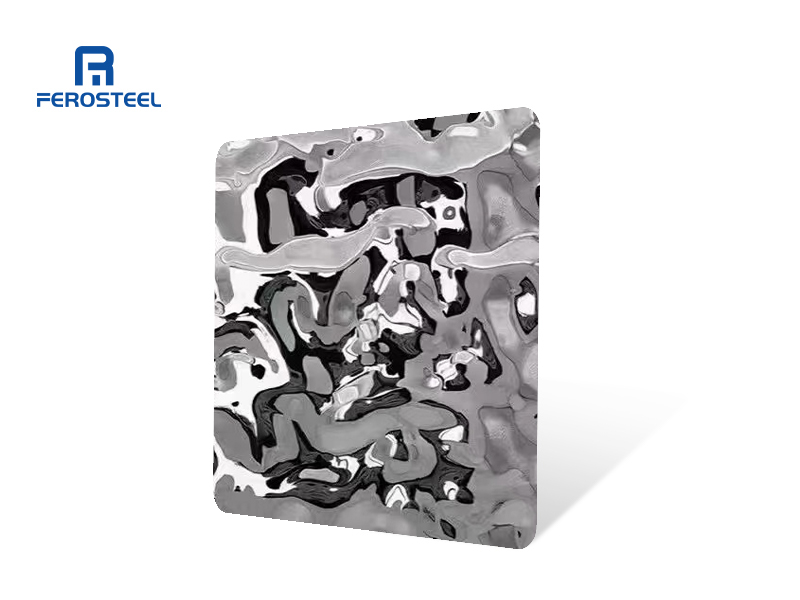
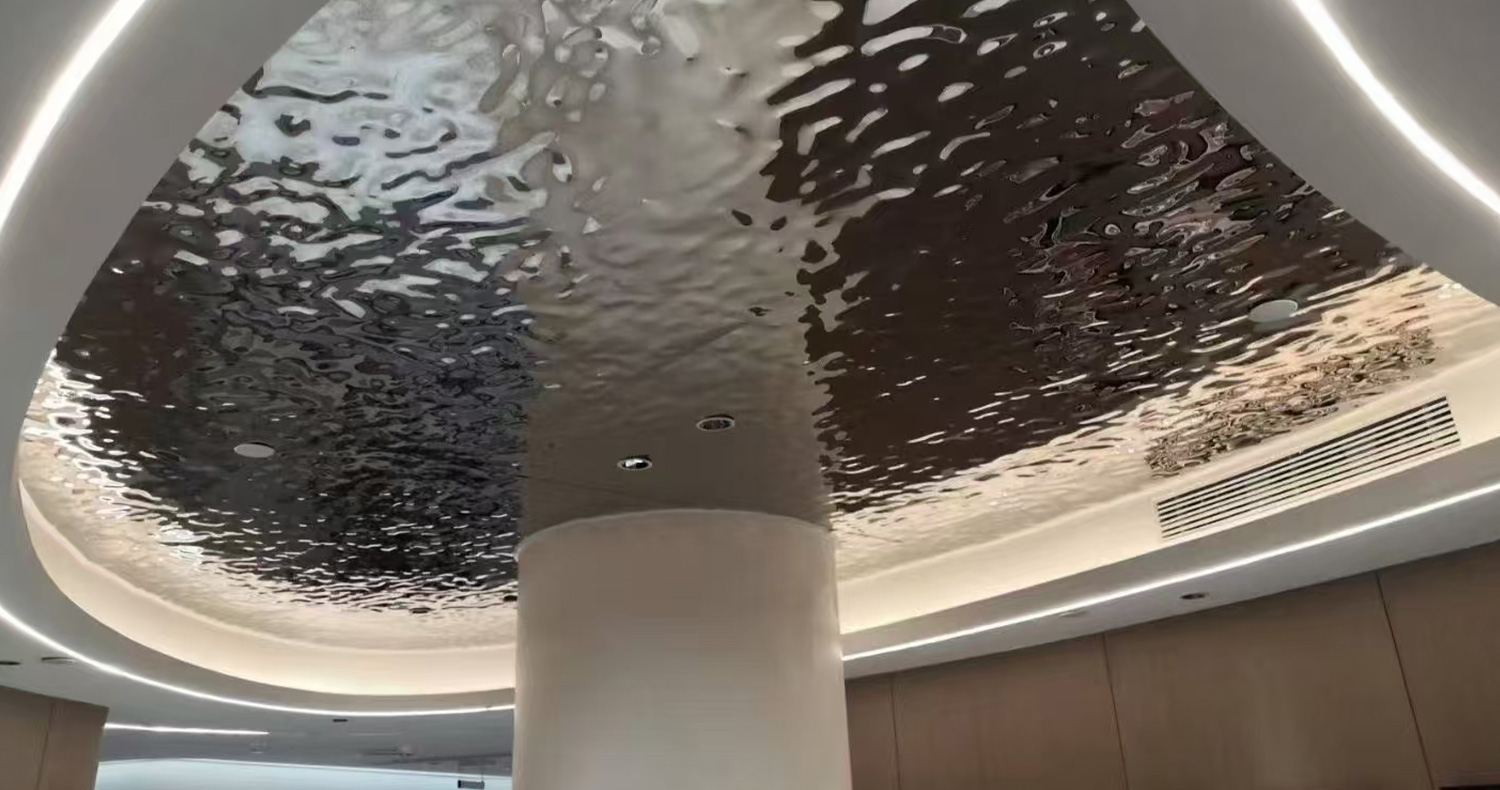
Inside commercial buildings, architectural metal transforms high-traffic areas into durable, low-maintenance surfaces. Ferosteel's Water Ripple stainless steel panels — with their three-dimensional ripple textures — are specifically engineered for interior wall cladding, column wrapping, and ceiling feature installations. The stamped ripple pattern creates dynamic light reflection that changes throughout the day, adding visual interest to lobby spaces, hotel corridors, and retail environments.
The installation manual for Water Ripple panels documents two primary mounting methods: adhesive bonding for flat wall surfaces and mechanical fixing systems for curved or column applications. This flexibility makes the product suitable for both new construction and renovation projects.
Metal cladding for ceilings and feature walls leverages the material's reflective properties to enhance spatial perception. Mirror-finish panels can make low-ceiling spaces feel significantly taller, while PVD-colored panels add warmth and character to otherwise neutral interiors. For large-format ceiling installations, Ferosteel's 1220mm × 2438mm standard sheet size minimizes joint lines and reduces installation labor.
Decorative metal panels are the industry standard for elevator cabin interiors and escalator side panels. The material's resistance to impact, fingerprints, and cleaning chemicals makes it ideal for these high-frequency contact surfaces. Ferosteel supplies dedicated elevator-grade panels with anti-fingerprint coatings and specialized hairline finishes.
Related: Stainless Steel Elevator Decoration Guide
Unlike trading companies that outsource every fabrication step, Ferosteel controls the entire production chain from raw coil to finished cladding panel. This vertical integration eliminates the quality gaps that occur when multiple fabricators handle the same material — and it gives clients a single point of accountability for every aspect of the order.
Ferosteel's Water Ripple series represents a unique product category that cannot be sourced from generic stainless steel suppliers. The three-dimensional stamping process, combined with SuperMirror or PVD-colored base surfaces, creates an architectural effect that competitors cannot replicate at equivalent pricing.
With support for 201, 304, and 316L grades across all product lines, Ferosteel enables project-specific material optimization. Interior decorative applications can use cost-effective 201 grade, while exterior cladding in corrosive environments specifies 316L — all from the same supplier with consistent surface finish quality.
Every cladding order ships with PVC protective film, waterproof paper, and export wooden crating. This packaging standard has been validated through shipments to 700+ clients across Southeast Asia, the Middle East, South America, and beyond — ensuring panels arrive ready for immediate installation.
Ferosteel's laser cutting, bending, and welding capabilities mean that architectural clients can order stainless steel cladding panels in custom shapes, sizes, and edge profiles — not just standard rectangular sheets. This is particularly valuable for curved facades, irregular column sections, and bespoke architectural features.
Related: Ferosteel Project Portfolio
Before contacting suppliers, clearly document the installation environment: - Interior vs. exterior (determines minimum grade and finish requirements) - Humidity and salt exposure (coastal projects require 316L grade) - Traffic level (high-contact areas need hairline or embossed finishes, not mirror) - Fire code requirements (stainless steel is Class A non-combustible — request certification)
Create a detailed specification sheet including: - Material grade (201/304/316L) - Thickness (0.4–2.0mm range) - Sheet dimensions (standard or custom) - Surface finish type (mirror, hairline, PVD color, embossed, etched) - PVD color reference (if applicable — request physical color samples) - Tolerance requirements (Ferosteel standard: ±5%)
Any reputable stainless steel cladding supplier should provide: - Physical material samples in the specified finish and color - Material test certificates (mill certificates verifying grade composition) - PVD coating durability data (salt spray test results, UV exposure data) - Fire safety certification
Ferosteel provides free samples for qualified B2B inquiries, with material certificates available for every production batch.
Assess whether the supplier can handle the complete fabrication scope: - Do they have in-house PVD coating equipment, or do they outsource? - Can they laser-cut custom shapes and dimensions? - Do they offer bending and welding for complex panel geometries? - What is their quality inspection protocol at each production stage?
Ferosteel's standard response time for B2B inquiries is 30 minutes during business hours, with complex technical consultations answered within 24 hours. Discuss production lead times (typically 15–25 days depending on order complexity) and minimum order quantities early in the negotiation process.
Confirm that the supplier uses export-grade packaging (PVC + waterproof paper + wooden crates) and can provide FOB, CIF, or DDP shipping terms as required by your project logistics.
Related: Water Ripple Stainless Steel Sheet — Product Page
304 stainless steel (18Cr-8Ni) is the standard grade for most architectural cladding in urban and indoor environments. 316L stainless steel (16Cr-10Ni-2Mo) contains 2–3% molybdenum, which provides superior resistance to pitting corrosion caused by chloride exposure. For coastal buildings, marine environments, or areas with high industrial pollution, 316L is strongly recommended. The cost difference between 304 and 316L is typically 15–25%, but the extended service life in corrosive environments justifies the investment.
PVD (Physical Vapor Deposition) coatings bond at the molecular level with the stainless steel surface, creating colors that are integral to the material rather than applied on top. Under normal architectural exposure conditions, PVD colors maintain their appearance for 10+ years without significant fading, chipping, or peeling. This is fundamentally different from painted or anodized finishes, which degrade through UV exposure and mechanical wear.
Ferosteel does not publish a fixed MOQ — minimum quantities depend on the specific product type, material grade, and customization level. For standard-grade sheets in common dimensions, MOQs are typically flexible. For custom PVD colors, embossed patterns, or laser-cut shapes, a minimum batch size may apply. Contact the sales team at [email protected] for project-specific MOQ confirmation.
Yes. Ferosteel's stainless steel sheets can be bent and formed to accommodate curved walls, cylindrical columns, and arched architectural features. The 0.4–2.0mm thickness range provides sufficient flexibility for most curved applications. For tight radius curves, thinner gauges (0.4–0.8mm) are recommended. The Water Ripple installation manual documents specific methods for column cladding using adhesive and mechanical fixing systems.
Routine cleaning requires only mild soap solution and a soft cloth — stainless steel cladding surfaces are dense, smooth, and resistant to staining. Avoid abrasive cleaners, steel wool, and chlorine-based products, which can scratch the surface or cause pitting. For PVD-colored and mirror-finish panels, use a microfiber cloth and streak-free glass cleaner to maintain optimal reflectivity. In exterior applications, natural rainfall typically provides sufficient cleaning for most stainless steel cladding facades.
Ferosteel provides detailed installation manuals for its Water Ripple stainless steel cladding products, including adhesive bonding guidelines, mechanical fixing specifications, and substrate preparation requirements. For large-scale commercial projects, the technical support team can review installation plans and provide recommendations. Contact the team for project-specific support requirements.
Whether you are sourcing stainless steel cladding for a commercial facade, hotel interior, elevator system, or custom architectural feature, Ferosteel delivers factory-direct quality with full-chain processing capabilities — from raw material to finished panel.
Get a project quotation today:
Request free material samples, discuss custom specifications, or schedule a factory visit. Ferosteel's technical team responds to B2B inquiries within 30 minutes during business hours.
 Office address: 26 Floor, Shibo Financial Center, Fenjiang South Road No.38, Chancheng, Foshan, GuangDong, China
  Phone
: +86 -18024913898
Phone
: +86 -18024913898 Email
: [email protected]
Email
: [email protected]


 IPv6 network supported
 leave a message