The global elevator modernization market is projected to exceed $18 billion by 2027, driven by aging building infrastructure, stricter safety regulations, and rising tenant expectations for interior aesthetics. For commercial buildings built between 2000 and 2015, elevator cabs are now reaching the end of their first lifecycle — original paint finishes are chipping, laminate panels are delaminating, and outdated color schemes no longer match contemporary design standards.
The core problem facing building owners and facility managers is not simply cosmetic. Worn elevator interiors sustain visible damage — scratches, dents, and surface oxidation — that directly affects a building's perceived value. In competitive commercial real estate markets, a dated elevator cab can reduce leasing rates by 5–12% according to industry studies. Yet full elevator replacement is prohibitively expensive, often costing $100,000–$150,000 per unit, with weeks of downtime.
Stainless steel elevator renovation offers a cost-effective middle path: replacing or resurfacing elevator cabin walls, doors, and ceilings with premium stainless steel panels at 30–50% of the cost of full elevator replacement, with installation completed in 2–3 days per cab. This approach is rapidly gaining traction across the Middle East, Southeast Asia, and North America, where property managers are prioritizing "high-impact, low-disruption" renovation strategies. For B2B buyers evaluating a stainless steel elevator renovation project, the key is partnering with a supplier that offers both material quality and fabrication precision.
For B2B buyers — elevator contractors, renovation specialists, and procurement managers — understanding the material specifications, surface finishes, and supplier capabilities behind a successful stainless steel elevator renovation is essential to delivering projects on time, within budget, and to the required quality standards.
Related: Stainless Steel Elevator Decoration: The Complete Buyer's Guide for B2B Projects
The choice of stainless steel grade directly determines the lifespan and performance of a renovated elevator cab. Based on Ferosteel's product specifications, the standard options are:
| Grade | Chromium | Nickel | Molybdenum | Best For | Corrosion Resistance |
|---|---|---|---|---|---|
| 304 (UNS S30400) | 18% | 8% | — | Most commercial buildings, dry climates | Excellent |
| 316L (UNS S31603) | 16–18% | 10–14% | 2–3% | Coastal areas, high-humidity, underground parking | Superior |
For renovation projects in inland cities, standard office towers, and residential complexes, 304 stainless steel offers the optimal balance of performance and cost. For elevator renovation in coastal regions, near-sea hotels, and basement-level elevator lobbies in tropical climates, 316L stainless steel is strongly recommended to prevent pitting corrosion from chloride exposure.
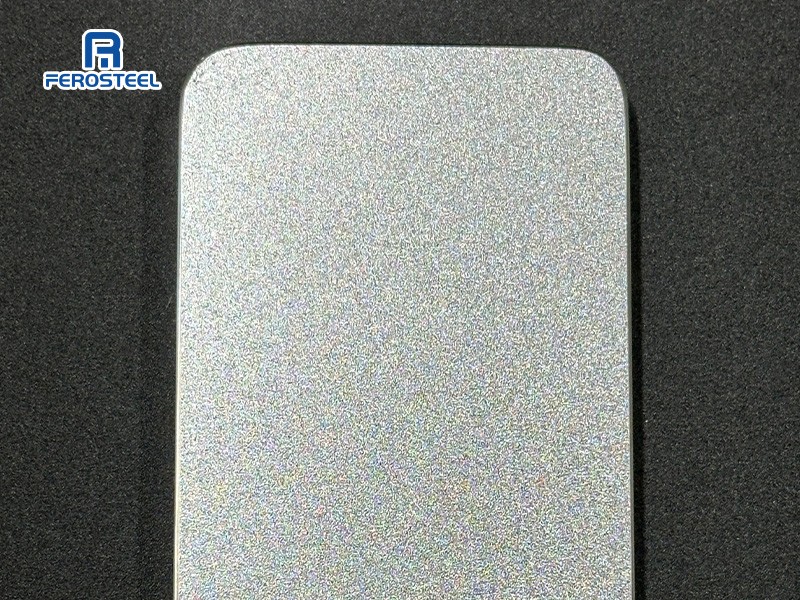
The surface finish is the most visible element of any elevator renovation project. Ferosteel's manufacturing capabilities include:
Related: PVD Colored Stainless Steel Sheet Buying Guide
Ferosteel, founded in 2017 in Foshan, China — the country's stainless steel capital — has developed a specialized approach to stainless steel elevator renovation that addresses the unique challenges of modernization projects. Having served over 700 global clients, Ferosteel understands that a successful stainless steel elevator renovation requires more than just premium materials — it demands precise fabrication, color matching across batches, and reliable delivery timelines.
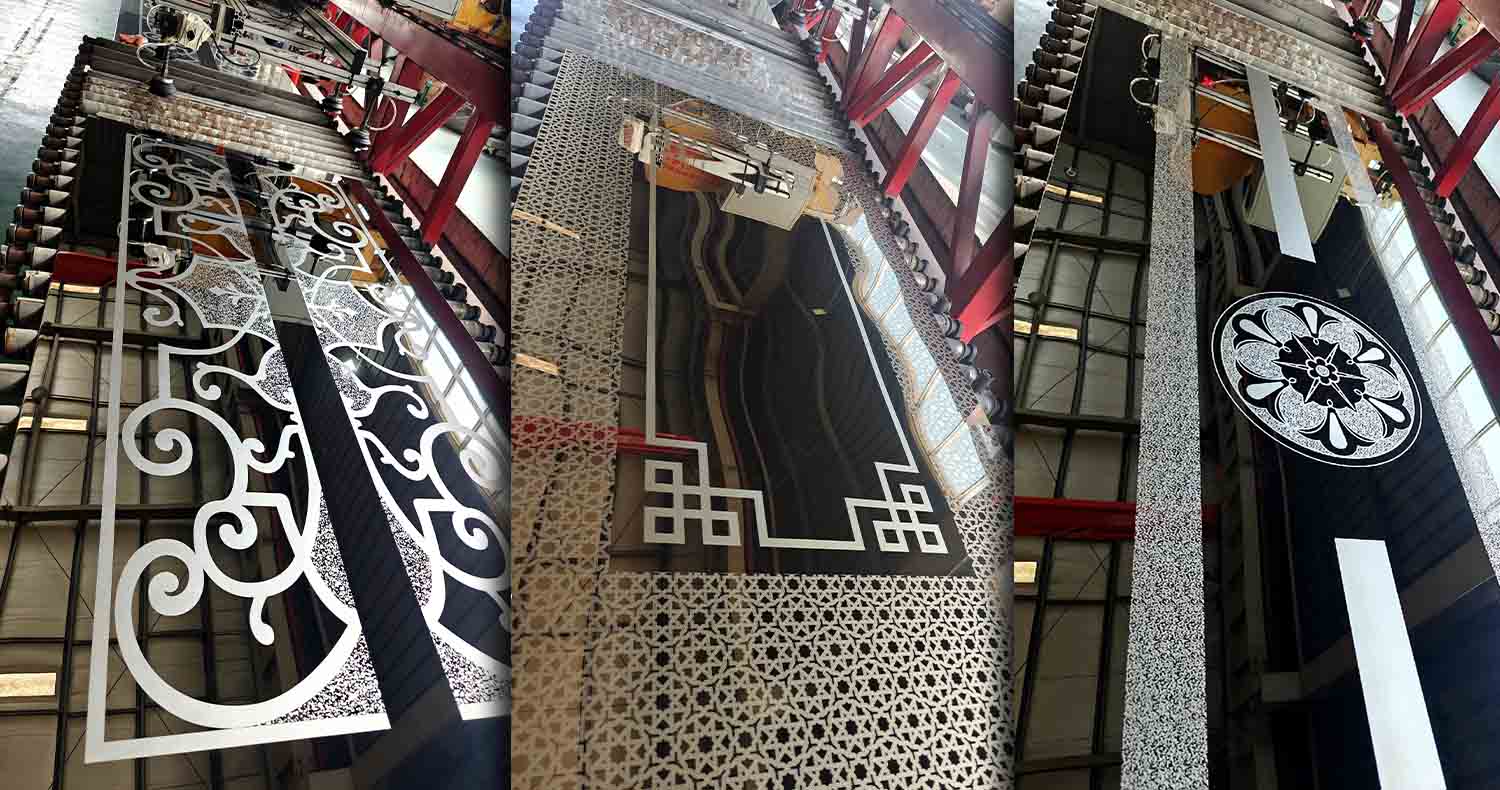
Unlike many elevator panel suppliers who outsource fabrication, Ferosteel operates an in-house metal processing system that covers the full renovation material workflow:
This integrated approach ensures color consistency across all panels within a single stainless steel elevator renovation project — a critical requirement when multiple elevator cabs in the same building must match perfectly. Ferosteel's comprehensive capabilities make it a trusted partner for any stainless steel elevator renovation, from single-cab boutique projects to large-scale commercial modernization programs.
Related: Decorative Stainless Steel Sheet B2B Buyer's Guide
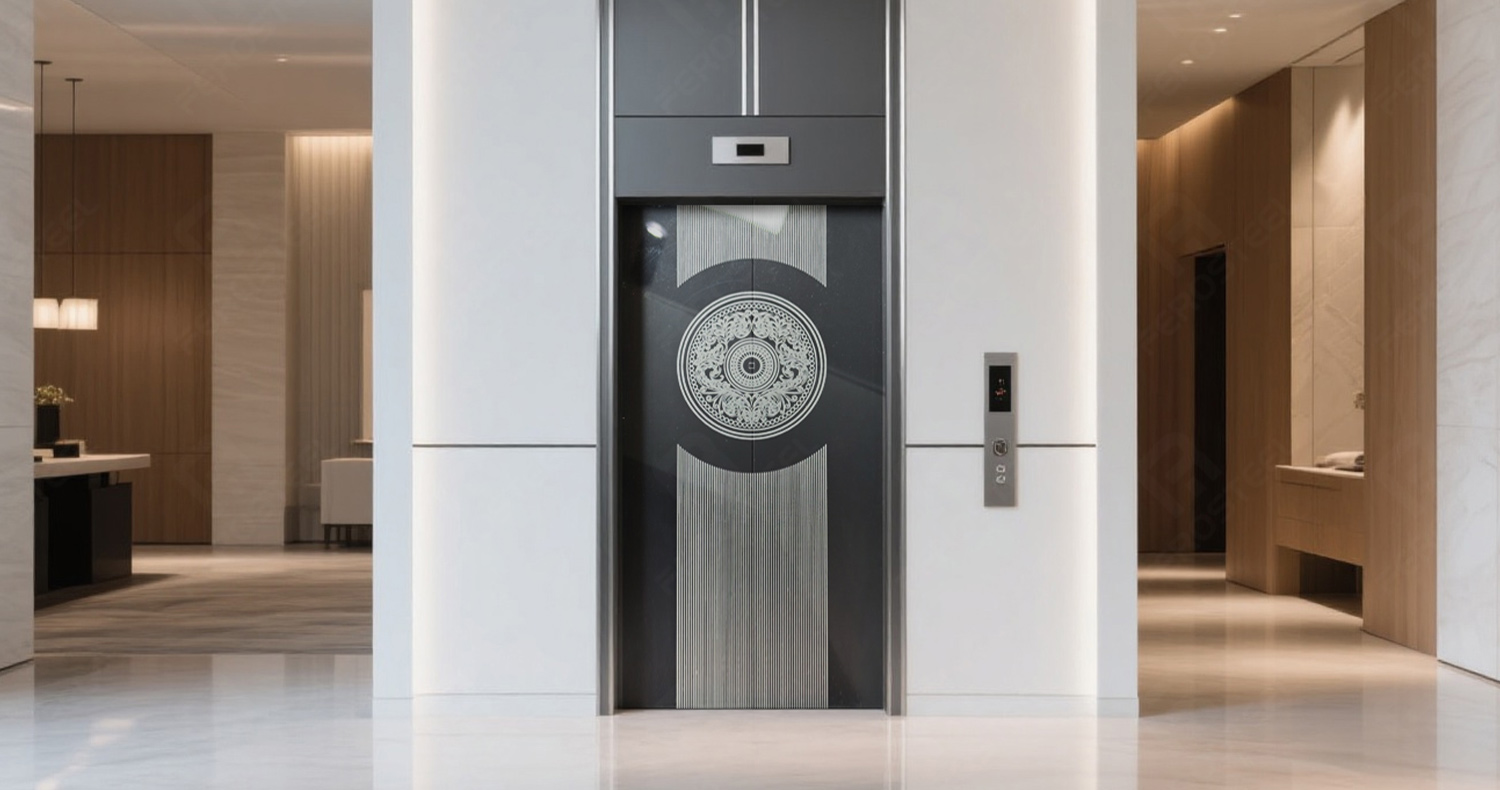
Class A and B office buildings typically undergo elevator renovation every 10–15 years. The standard approach involves replacing existing painted or laminate panels with brushed stainless steel or PVD-colored panels. For multi-tenant office buildings, neutral tones (brushed silver, satin) remain the most popular choice, while corporate headquarters increasingly specify branded PVD colors.
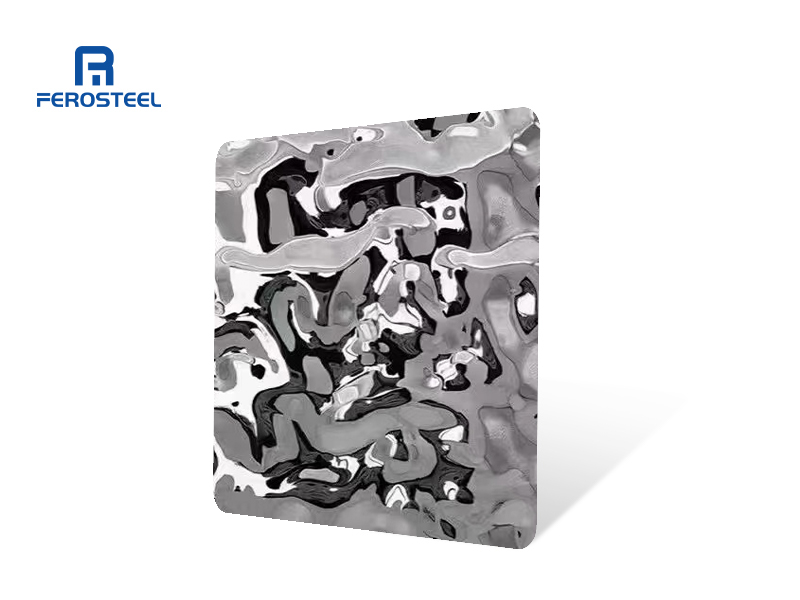
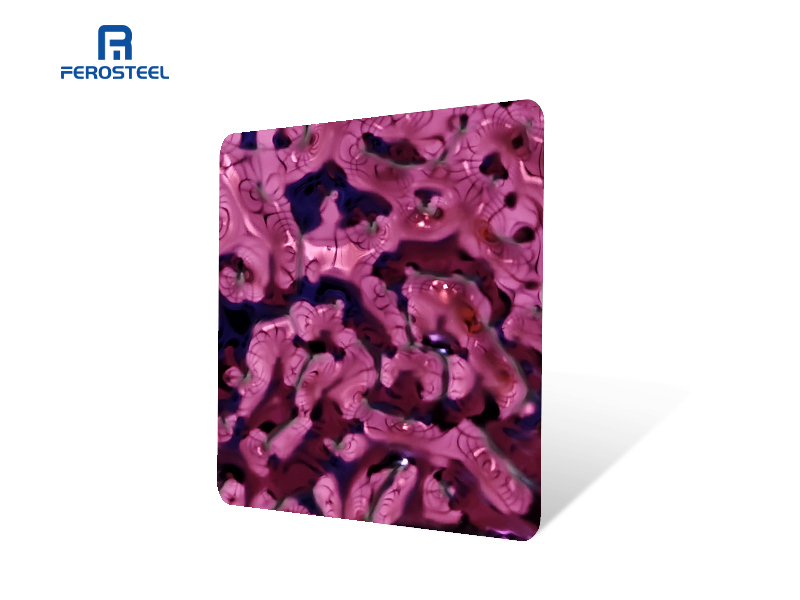
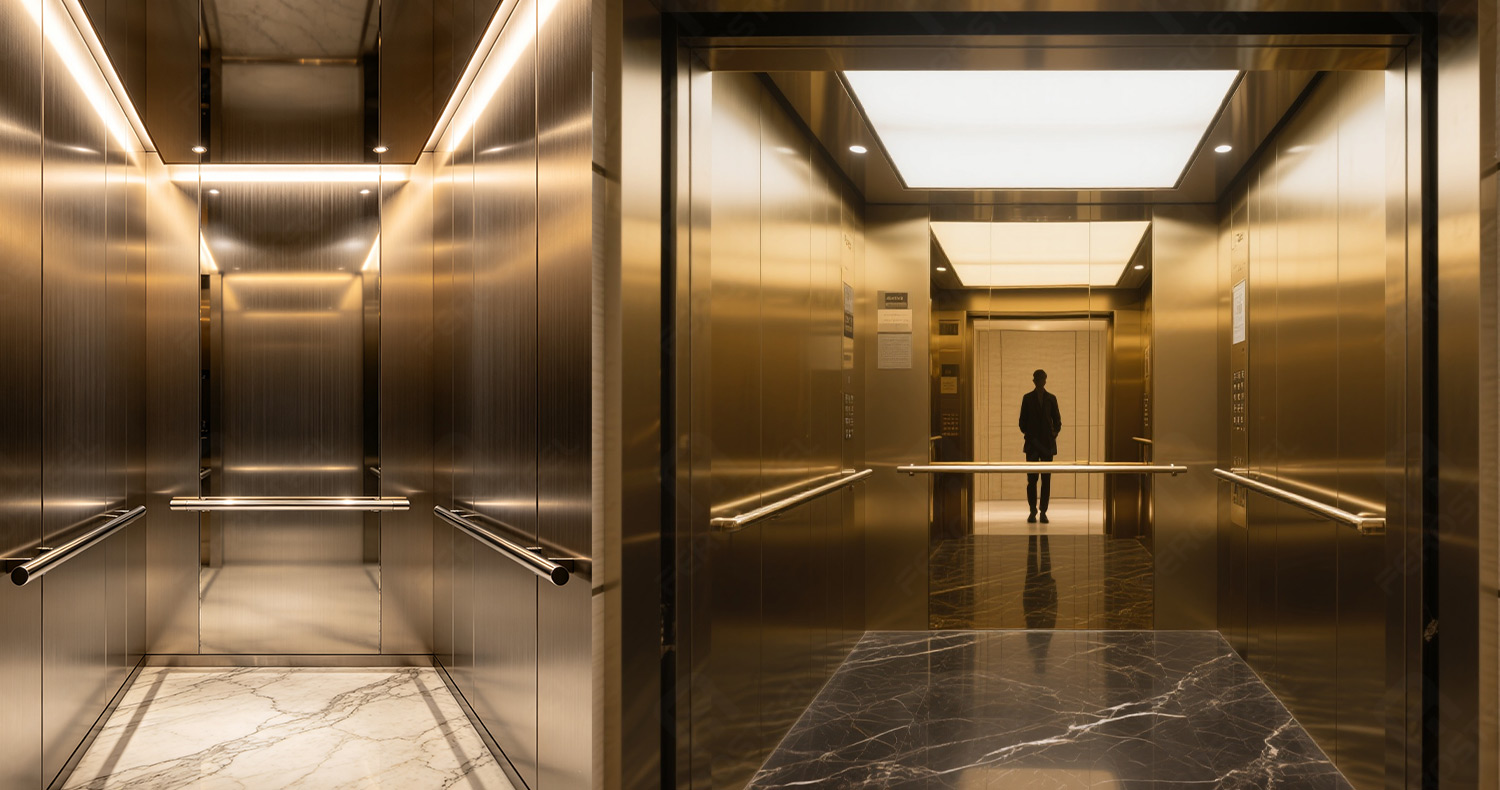
Hotel elevator renovation demands higher aesthetic standards. Popular choices include: - Gold PVD mirror finish for luxury hotel elevator renovation - Water ripple stainless steel for boutique hotel elevator cabs - Rose gold or champagne PVD for spa and resort properties
Hotel renovation projects typically require 3–5 days of elevator downtime per cab, and the material selection must balance visual impact with durability against luggage scratches and cleaning chemical exposure.
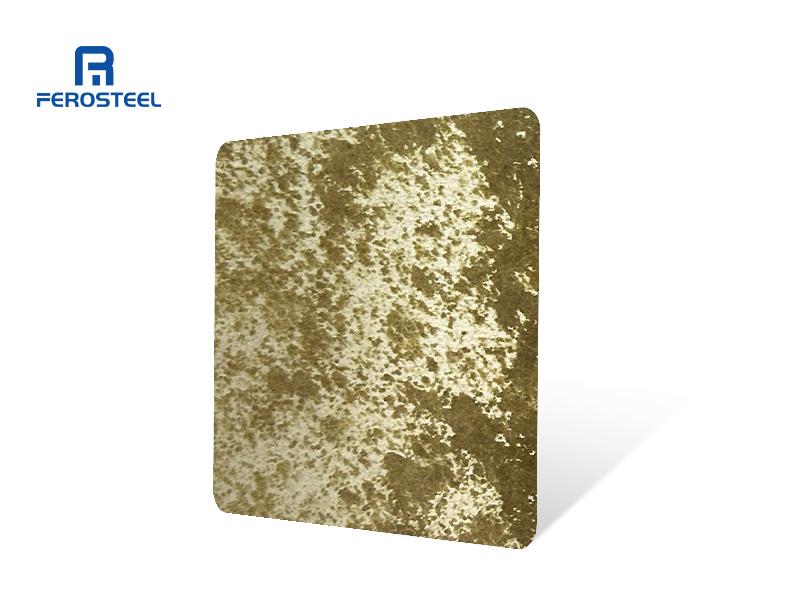
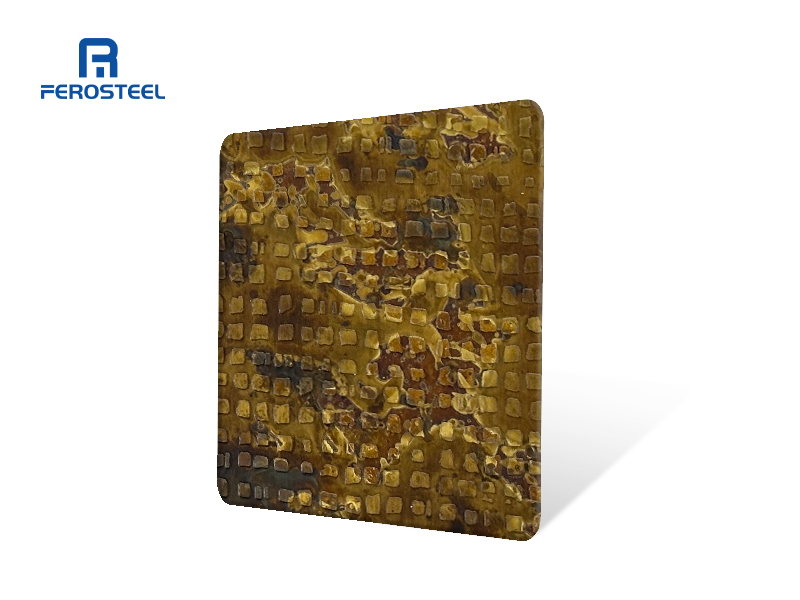
Middle-to-high-end residential buildings are increasingly renovating elevator interiors to improve property values. Key considerations: - Anti-fingerprint coatings are essential for frequently used residential elevators - 304 stainless steel with hairline finish offers the best cost-performance ratio - Wood grain or antique bronze PVD finishes are trending for luxury residential projects
Healthcare elevator renovation requires materials that withstand frequent sanitization. Mirror finish stainless steel with PVD coating is the preferred choice, as it can be cleaned with hospital-grade disinfectants without surface degradation.
Related: Water Ripple Stainless Steel Sheet Buyer's Guide
Stainless steel elevator panels from Ferosteel are engineered to withstand 15–20 years of daily use in commercial environments. The combination of 304/316L substrate and PVD coating provides: - Scratch resistance — Surface hardness significantly exceeds painted or laminate panels - Corrosion resistance — 316L grade withstands coastal humidity and chemical cleaning agents - Color stability — PVD coating does not fade, yellow, or peel over time
One of the most frequently overlooked factors in elevator renovation is long-term maintenance cost. Stainless steel panels with anti-fingerprint coating require only routine wiping with a soft cloth and mild detergent — no waxing, polishing, or refinishing. This translates to significantly lower lifetime maintenance costs compared to painted or laminate alternatives.
Ferosteel offers over 54 finish styles, including custom colors and patterns, enabling renovation projects to achieve a unique aesthetic. PVD coating technology allows for precise color matching across all panels, even when renovation is phased across multiple floors or building wings.
Standard stainless steel elevator panel installation for a renovation project takes 2–3 days per cab, including: 1. On-site measurement and verification 2. Removal of existing panels 3. Substrate preparation and leveling 4. Panel installation (adhesive or dry-hanging method) 5. Joint finishing and sealant application 6. Final cleaning and inspection
Before contacting suppliers, document these details: - Cabinet dimensions — Width, height, depth of each elevator cab - Existing panel material — Painted steel, laminate, or existing stainless steel - Traffic volume — Light (residential), medium (office), heavy (hospital/shopping mall) - Environment — Indoor, coastal, underground, or high-humidity - Budget range — Per cab or per project
Use the environment and traffic assessment to determine the optimal grade: - Standard office/residential → 304 stainless steel, hairline or PVD finish - Coastal/high-humidity → 316L stainless steel, PVD finish - Luxury hotel → 304 or 316L, mirror + PVD or water ripple finish
For renovation projects, the supplier's deep-processing capabilities are often more important than raw material pricing. Verify that the supplier can: - Provide custom sizing and panel fabrication - Ensure color consistency across batches - Apply anti-fingerprint coating - Deliver within renovation project timelines - Provide material certifications (mill test certificates, salt spray test reports)
Always request physical samples before committing to a renovation project. Evaluate: - Color accuracy under different lighting conditions - Surface finish consistency - Scratch resistance (test with a coin edge) - Fingerprint visibility after touch
The cheapest stainless steel elevator panel supplier is rarely the most cost-effective over 10 years. Consider: - Panel lifespan (15–20 years for quality stainless steel vs. 5–8 years for painted steel) - Maintenance costs (anti-fingerprint coating reduces cleaning labor) - Replacement costs if panels fail prematurely
Q1: What is the typical cost of stainless steel elevator renovation compared to full replacement? A: Stainless steel elevator renovation typically costs 30–50% of full elevator replacement. Renovation focuses on the interior cabin (walls, ceiling, doors, handrails), while full replacement includes the mechanical system, control system, and cab. For a standard commercial elevator, renovation using 304 stainless steel with PVD finish ranges from $3,000–$8,000 per cab depending on size and finish complexity, versus $100,000–$150,000 for full replacement.
Q2: What thickness of stainless steel is recommended for elevator renovation panels? A: The industry standard for elevator panel renovation is 0.8–1.2mm thickness. Panels below 0.7mm risk deformation during bending, surface texture tearing, and resonance noise after installation. Ferosteel supplies elevator panels in the 0.8–1.2mm range, fabricated from 304 or 316L stainless steel.
Q3: How long does a stainless steel elevator renovation project take? A: For a single elevator cab, the entire renovation process — including on-site measurement, panel fabrication, and installation — typically takes 7–10 working days. On-site installation alone takes 2–3 days per cab. For multi-cab projects, work can be phased to minimize building disruption.
Q4: Can existing elevator control panels, buttons, and fixtures be reused during renovation? A: Yes. In most renovation projects, the existing control panels, call buttons, position indicators, and handrails are either retained or replaced with matching stainless steel components. Ferosteel can fabricate panels with pre-cut openings for existing fixtures, allowing for a seamless renovation without modifying the elevator's electrical system.
Q5: What is the difference between 304 and 316L stainless steel for elevator renovation? A: 304 stainless steel (18% chromium, 8% nickel) is suitable for most indoor commercial elevator renovation projects. 316L stainless steel (16–18% chromium, 10–14% nickel, 2–3% molybdenum) offers superior corrosion resistance against chloride exposure, making it the recommended choice for coastal cities, underground parking elevator lobbies, and tropical climate regions.
Q6: How do you maintain stainless steel elevator panels after renovation? A: Daily maintenance requires only wiping with a soft, damp cloth. For deeper cleaning, use mild soap and water, then dry with a soft cloth. Avoid abrasive cleaners, steel wool, or chlorine-based products that can damage the surface. Panels with anti-fingerprint coating require even less frequent cleaning.
Q7: Can PVD color be applied to existing elevator panels during renovation? A: PVD coating is a vacuum deposition process that requires application in a controlled factory environment. It cannot be applied on-site to existing panels. However, replacement panels can be fabricated with PVD coating to match the desired color scheme, and these can be installed during the renovation.
Related: Luxury Interior Metal Design B2B Sourcing Guide
Whether you're modernizing a single elevator cab or managing a multi-building renovation project, Ferosteel provides the material quality, processing precision, and supply chain reliability that B2B renovation projects demand.
Contact Ferosteel for your next elevator renovation project: - Email: [email protected] - Phone: +86 18024913898 - Website: www.ferosteel.com
 Office address: 26 Floor, Shibo Financial Center, Fenjiang South Road No.38, Chancheng, Foshan, GuangDong, China
  Phone
: +86 -18024913898
Phone
: +86 -18024913898 Email
: [email protected]
Email
: [email protected]


 IPv6 network supported
 leave a message