TL;DR
Decorative stainless steel is not maintenance-free — but with the right routine it stays showroom-clean for years.
Never use chlorine bleach, abrasive pads, or steel wool on decorative finishes; they destroy the surface in one pass.
Always wipe along the grain (with the texture direction), and treat PVD-colored and liquid metal finishes with extra care — their protective layers are thin.
A simple 3-step weekly routine (dust → mild cleaner → dry polish) covers 90% of real-world maintenance.
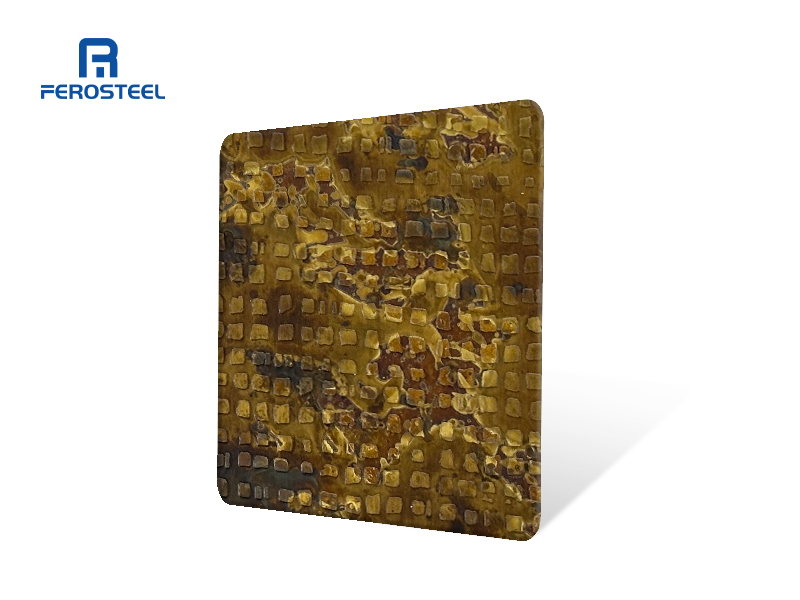
Plain stainless steel is forgiving: scratches just add to the brushed look. Decorative stainless steel is different. A mirror finish shows every fingerprint, a PVD color coating is only a few microns thick, and a water-ripple or liquid metal texture can trap grime in its grooves.
The good news: the same properties that make these finishes beautiful — smooth, dense, non-porous surfaces — also make them easy to maintain, if you follow the rules below and avoid the handful of things that cause real damage.
There is one rule that applies to every finish on this page: the damage you can cause in five minutes of aggressive cleaning is worse than years of gentle neglect. Most decorative panels that get replaced are not worn out by use — they are ruined by the wrong cleaner or the wrong cloth. So the maintenance strategy below is built around two ideas: keep the surface free of abrasive particles, and never let chemistry attack the finish.
For most projects, this weekly routine is the whole maintenance program. The sections below only add detail for specific finishes, specific rooms, and the mistakes that turn a simple routine into a repair bill.
If you remember nothing else, remember this list. A single cleaning mistake can do more damage than years of normal use.
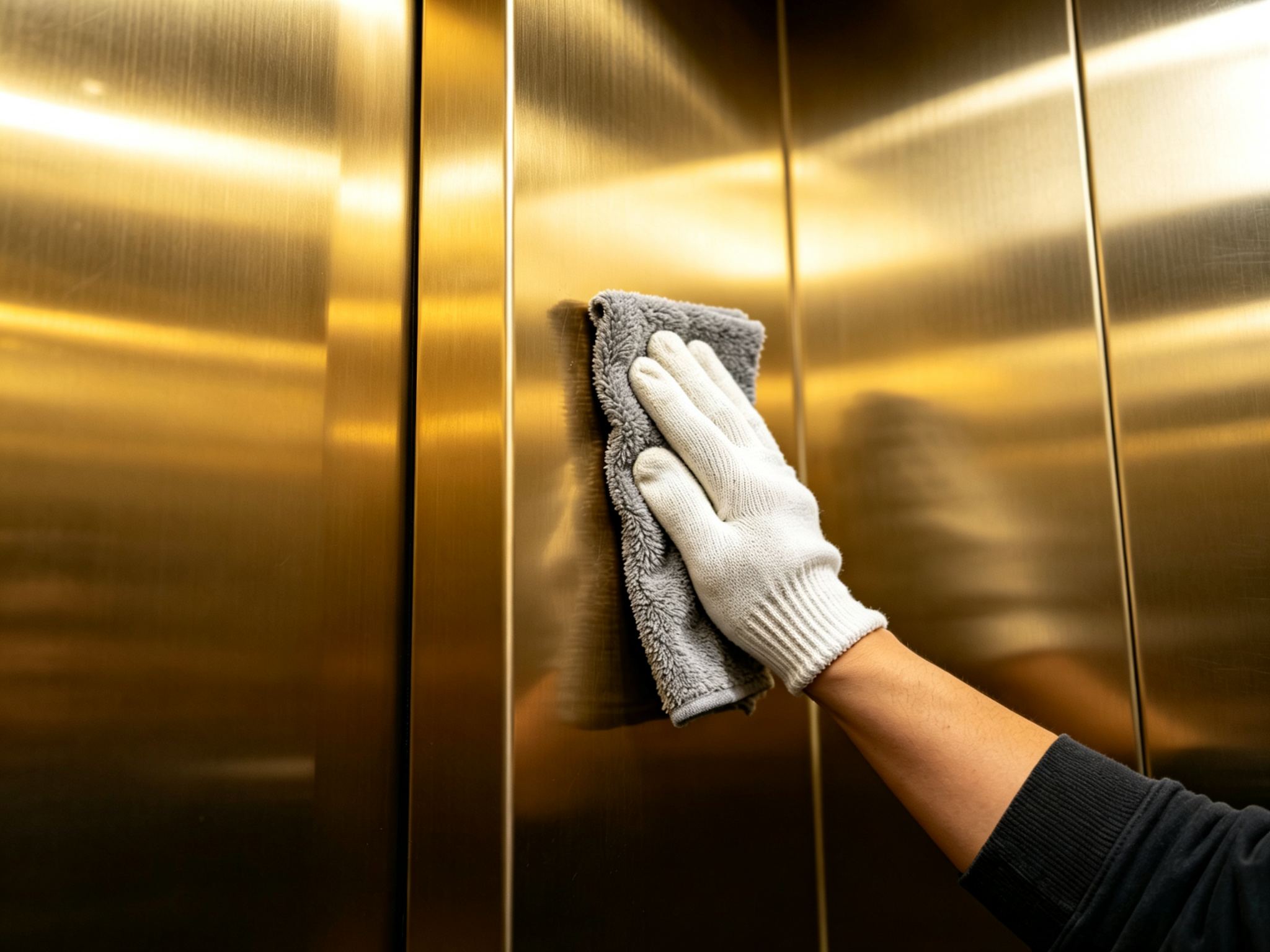
The most delicate. Always dry-wipe after any damp cleaning — water spots and fingerprints show instantly. Use a high-quality microfibre cloth and consider a non-abrasive stainless polish for final shine. On large mirror panels, work in overlapping vertical strokes so drying marks do not show as streaks.
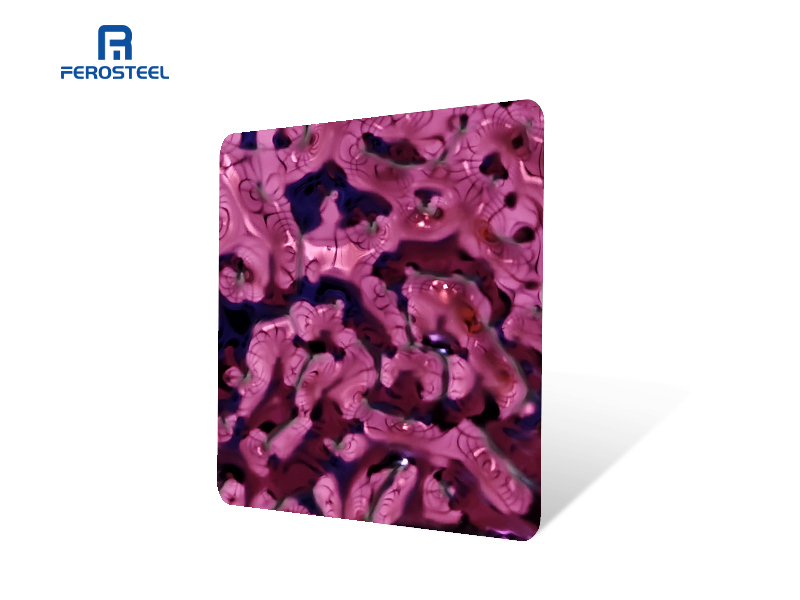
The color is a vacuum-deposited coating, typically 0.3–1 micron thick. It is durable but not indestructible:
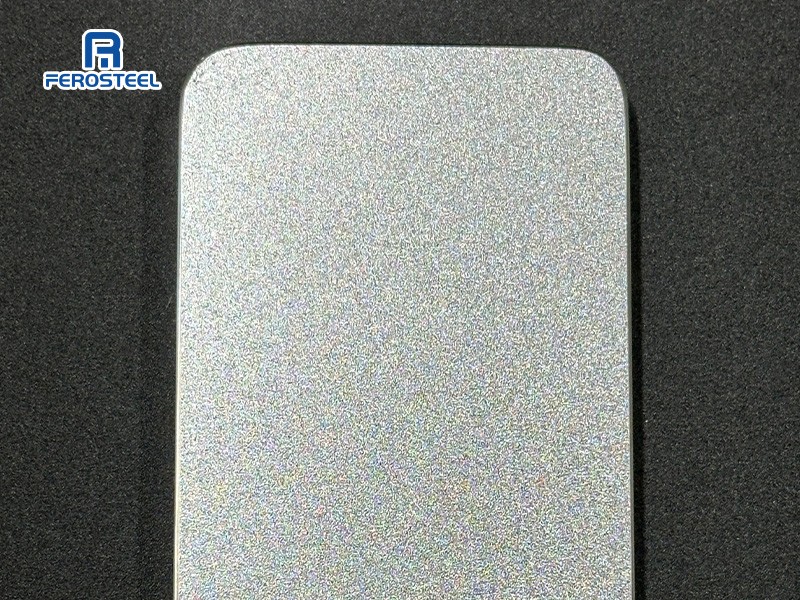
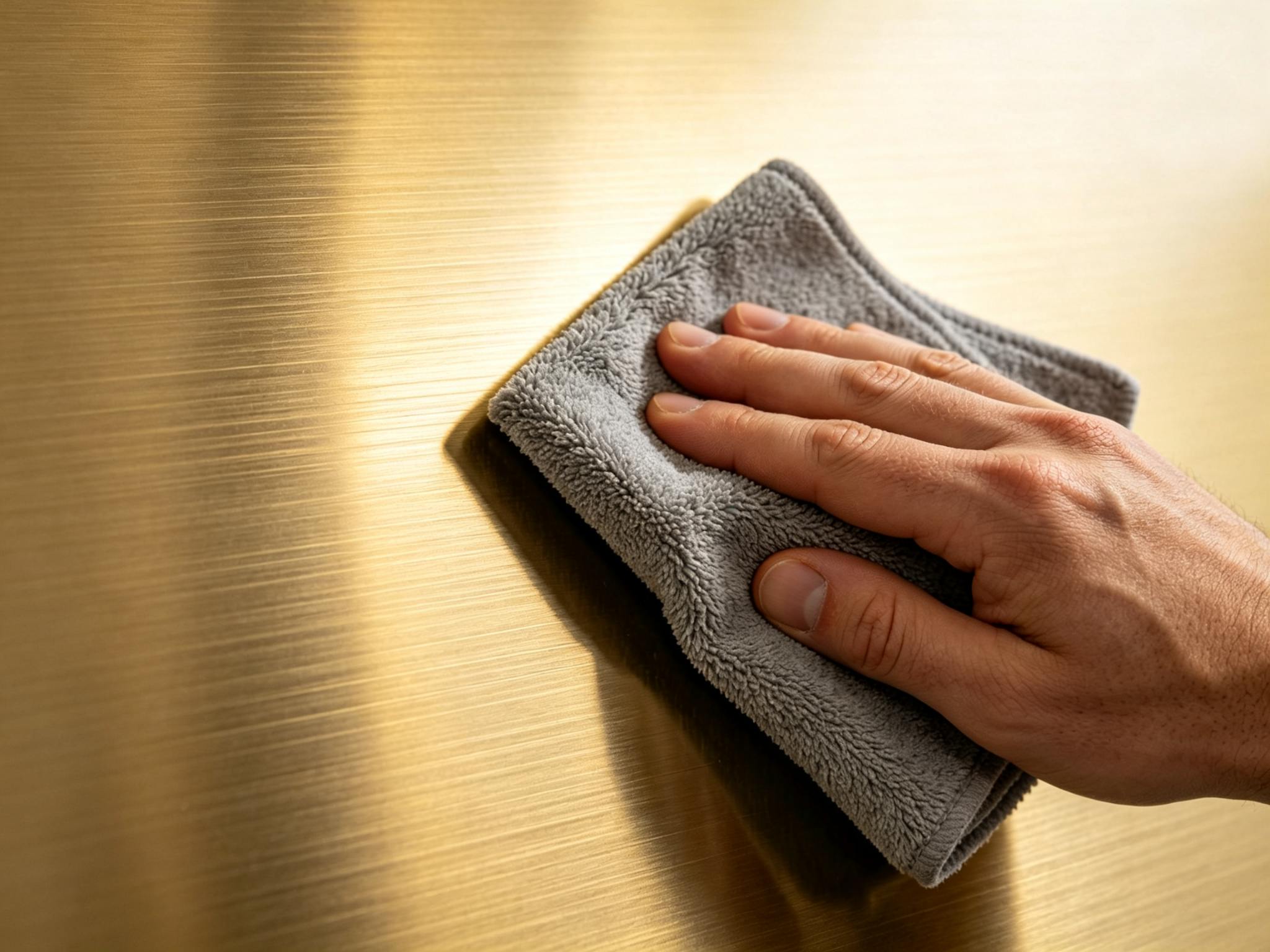
Most forgiving. Wipe parallel to the brush lines — cleaning across the grain makes the surface look cloudy.
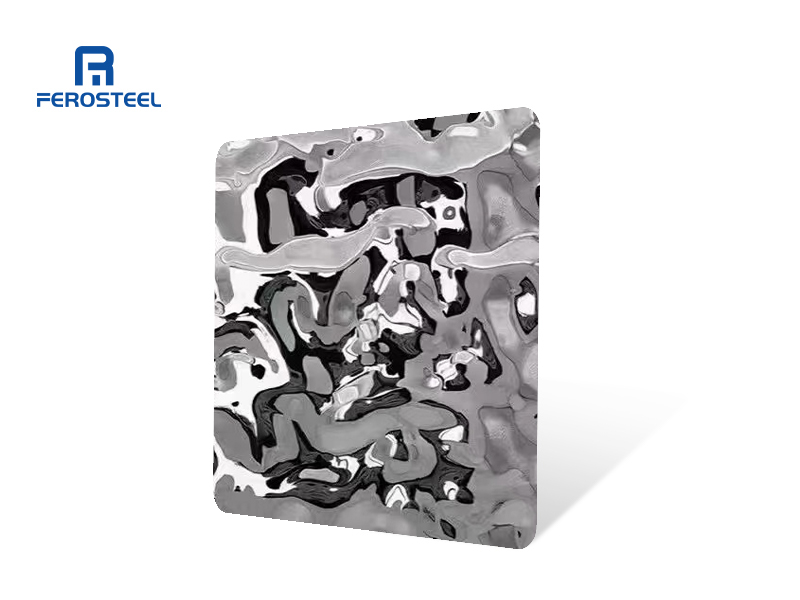
Dust and grime settle in the recesses:
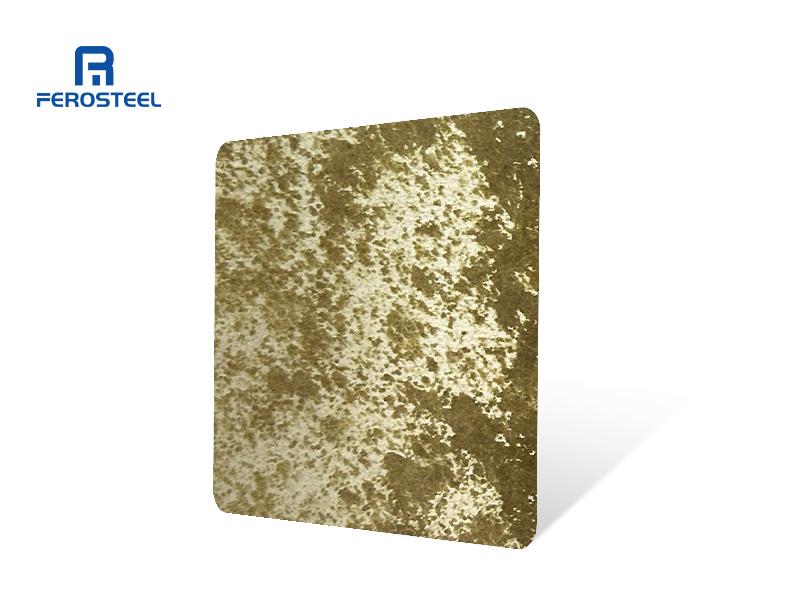
Because it is often a hand-applied layered finish:
These are meant to look aged, so light cleaning is enough — aggressive polishing will strip the patina. A soft dry cloth plus occasional mild soapy water keeps them consistent.
Not every surface needs the same attention. Budget maintenance effort where traffic is highest:
Most decorative panel damage happens on site, between delivery and handover — not in the factory. Protect the investment with an installation protocol:
Not every mark is permanent. Learn to tell the difference before calling for repairs:
When in doubt, send a photo to the supplier before acting. A five-minute look at a damaged panel by someone who knows the finish saves a costly wrong repair.
You do not need a cabinet of products. For decorative stainless steel, three things matter:
A dedicated stainless steel cleaner is convenient, but warm water with a drop of mild dish soap and a good microfibre cloth does 90% of the job for a fraction of the cost — and it is impossible to over-concentrate.
For finish options and product details, explore the decorative stainless steel sheet range, including PVD coating finishes.
Q: Can I use vinegar to clean stainless steel?
A: For standard kitchen-grade stainless, occasional mild vinegar works. For decorative finishes (mirror, PVD, liquid metal), avoid it — acids can dull or strip the finish.
Q: How do I remove fingerprints from a PVD gold sheet?
A: A soft microfiber cloth with a little warm soapy water, wiped gently, then dry-polished. Avoid abrasive pads and strong chemical cleaners.
Q: Do water ripple sheets need special cleaning?
A: Not really — dust the grooves with a soft brush, wipe the surface along the pattern direction, and dry. Just avoid letting grime build up in the texture.
Q: How long does a PVD finish last?
A: Indoors, with routine care, quality PVD finishes typically maintain their color for 10+ years. Abrasive cleaning or harsh chemicals shorten that dramatically.
Q: Can scratches be repaired?
A: Light surface scratches on brushed or mirror finishes can sometimes be re-polished by the manufacturer; deep scratches or coating damage usually require panel re-processing. That's why we advise against any abrasive cleaning.
Q: Is anti-fingerprint coating worth the extra cost?
A: For elevator doors, handrails and other high-touch surfaces, yes — AF coating cuts cleaning frequency by roughly half and keeps mirror and PVD finishes looking consistent between cleanings.
Q: Can I use a steam cleaner on decorative stainless steel?
A: Avoid it. Steam cleaners combine heat, pressure and water ingress risk; on textured and PVD surfaces they can damage edges, coatings and fasteners. Stick to damp cloth cleaning.
Q: How do I clean cement or adhesive splatter after installation?
A: Remove splatter while it is still fresh with a damp cloth. Cured cement needs a gentle, non-acidic masonry remover applied carefully — or better, professional attention, because anything strong enough to dissolve cement can also damage the finish.
Q: What should be in the handover maintenance kit?
A: Two microfibre cloths (one for damp cleaning, one for dry polishing), a pH-neutral stainless cleaner, a soft brush attachment for textured finishes, and the finish specification sheet. That kit covers the entire building's decorative stainless steel.
Q: How often should exterior decorative panels be cleaned?
A: Monthly rinsing with clean water, plus a quarterly deep clean. In coastal or industrial environments, increase rinsing frequency — chloride film is the main cause of surface degradation outdoors.
 Office address: 26 Floor, Shibo Financial Center, Fenjiang South Road No.38, Chancheng, Foshan, GuangDong, China
  Phone
: +86 -18024913898
Phone
: +86 -18024913898 Email
: [email protected]
Email
: [email protected]


 IPv6 network supported
 leave a message